Kindly Email if there are papers and publications about local
studies or information about this species to be included in the list above.
Species Images (48 images)
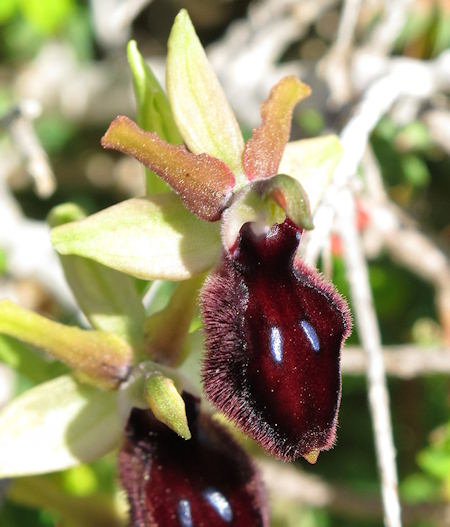
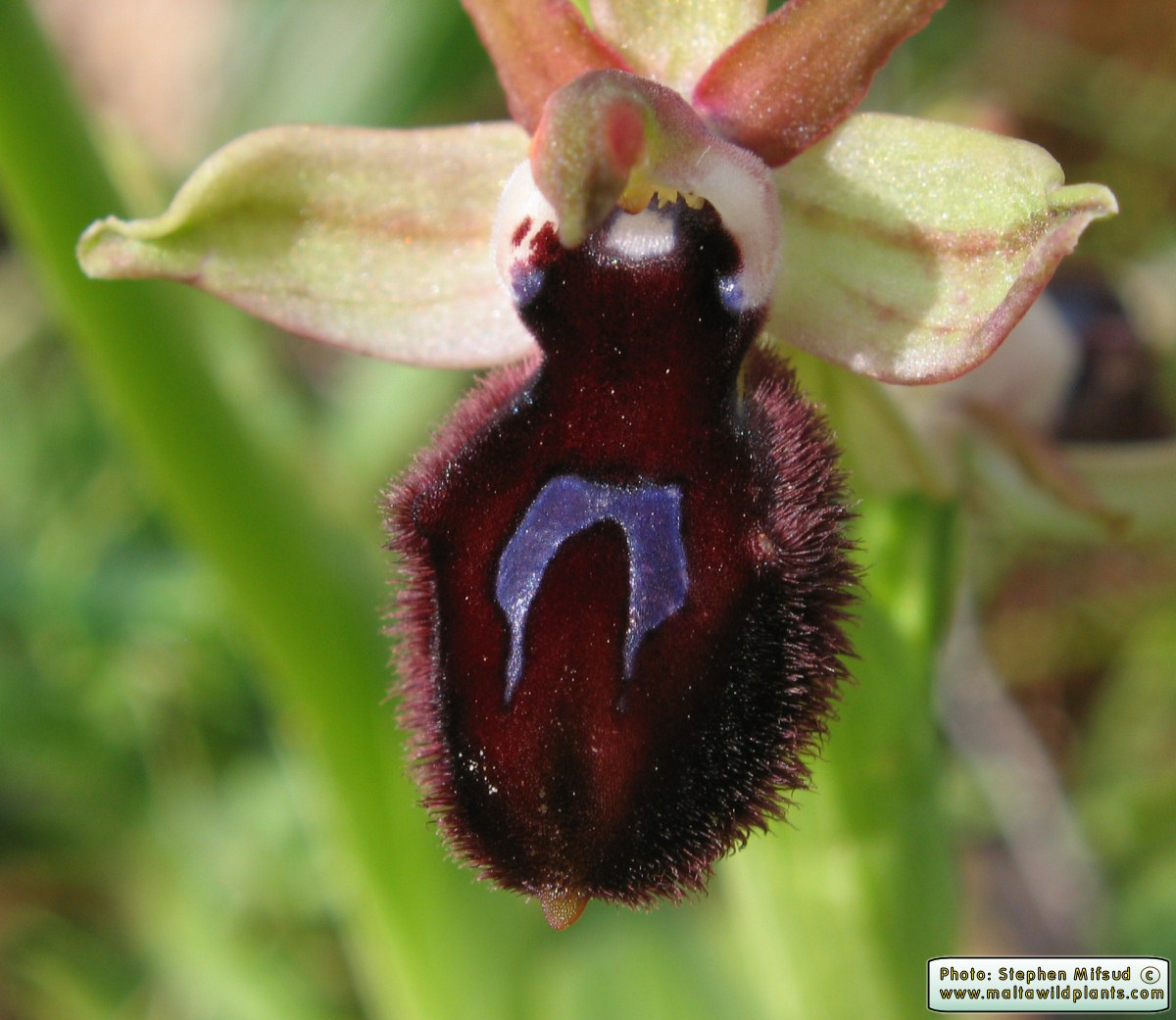
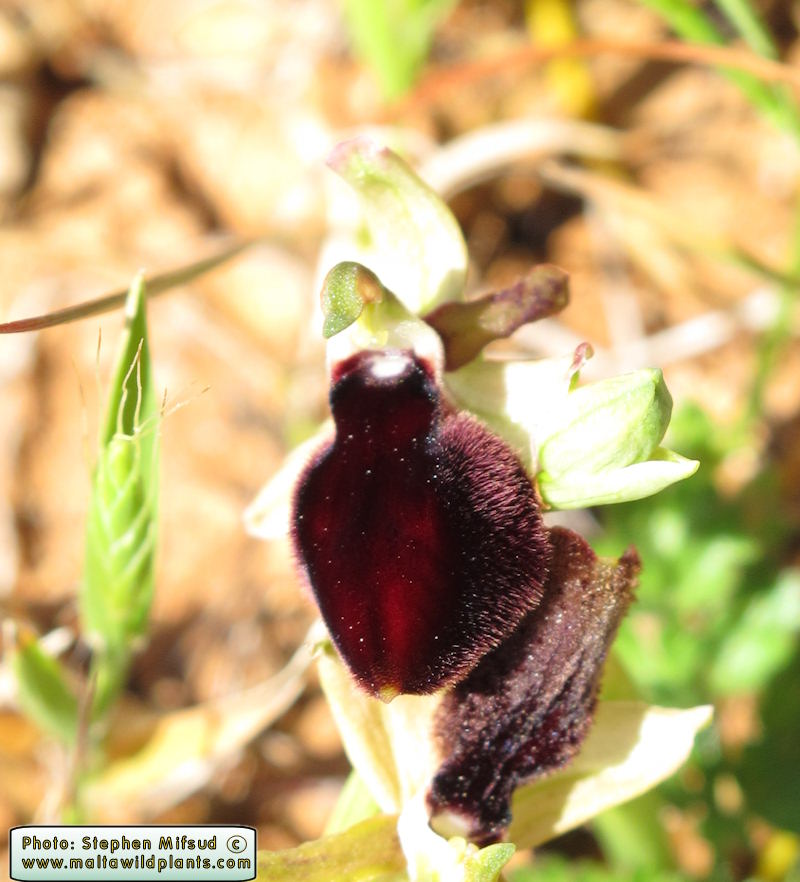
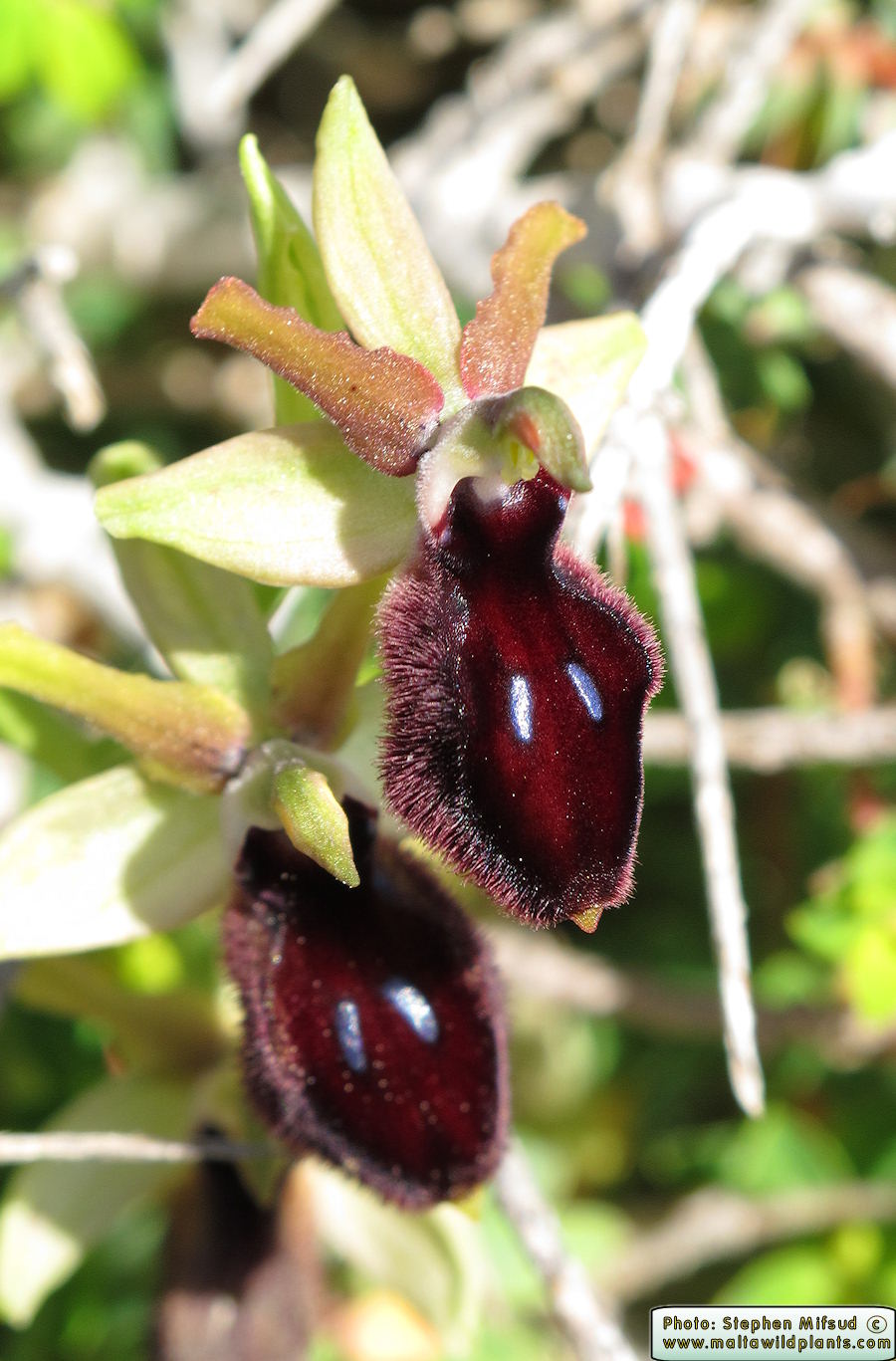
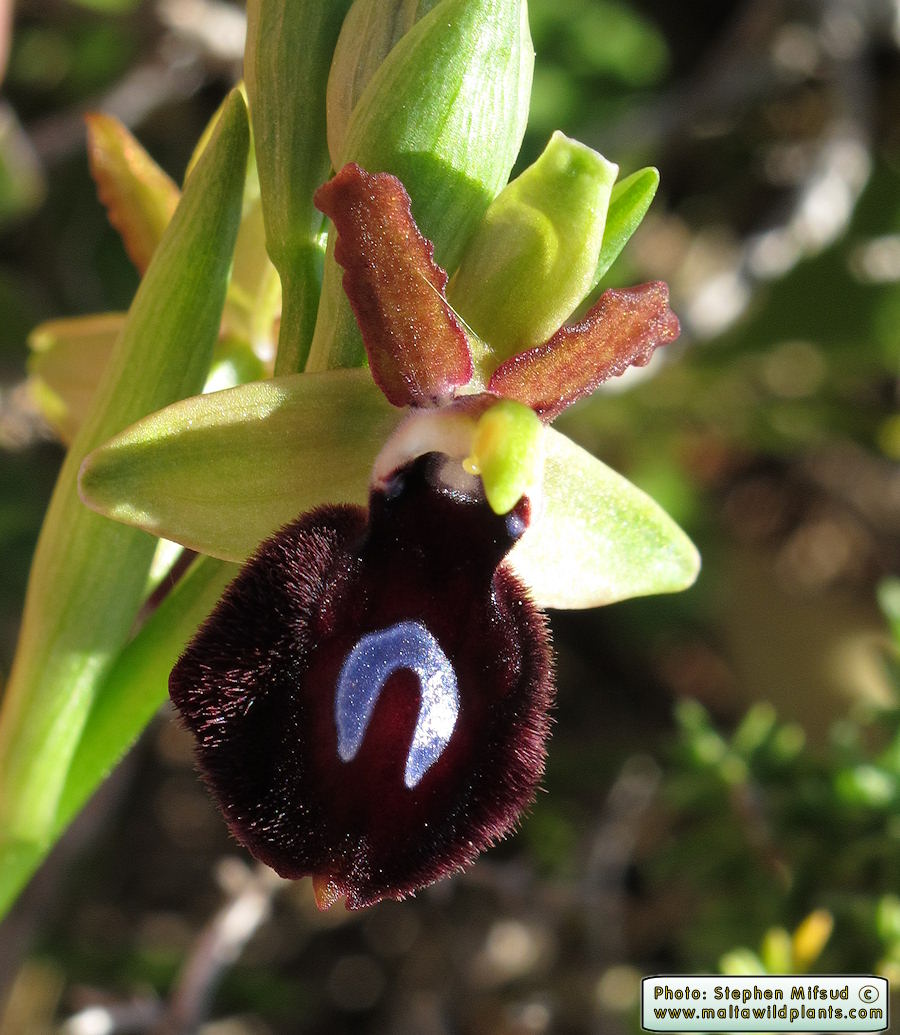
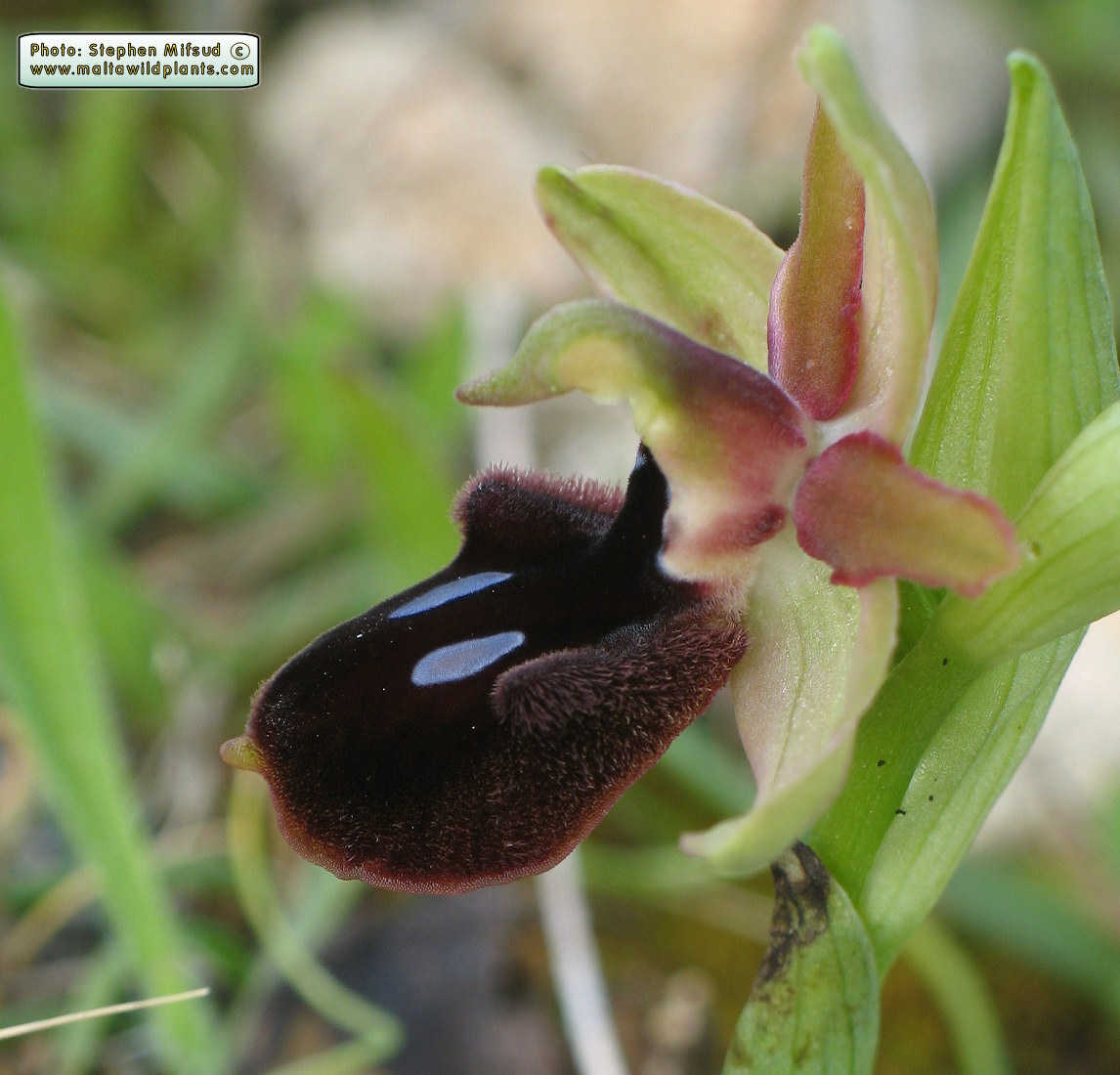
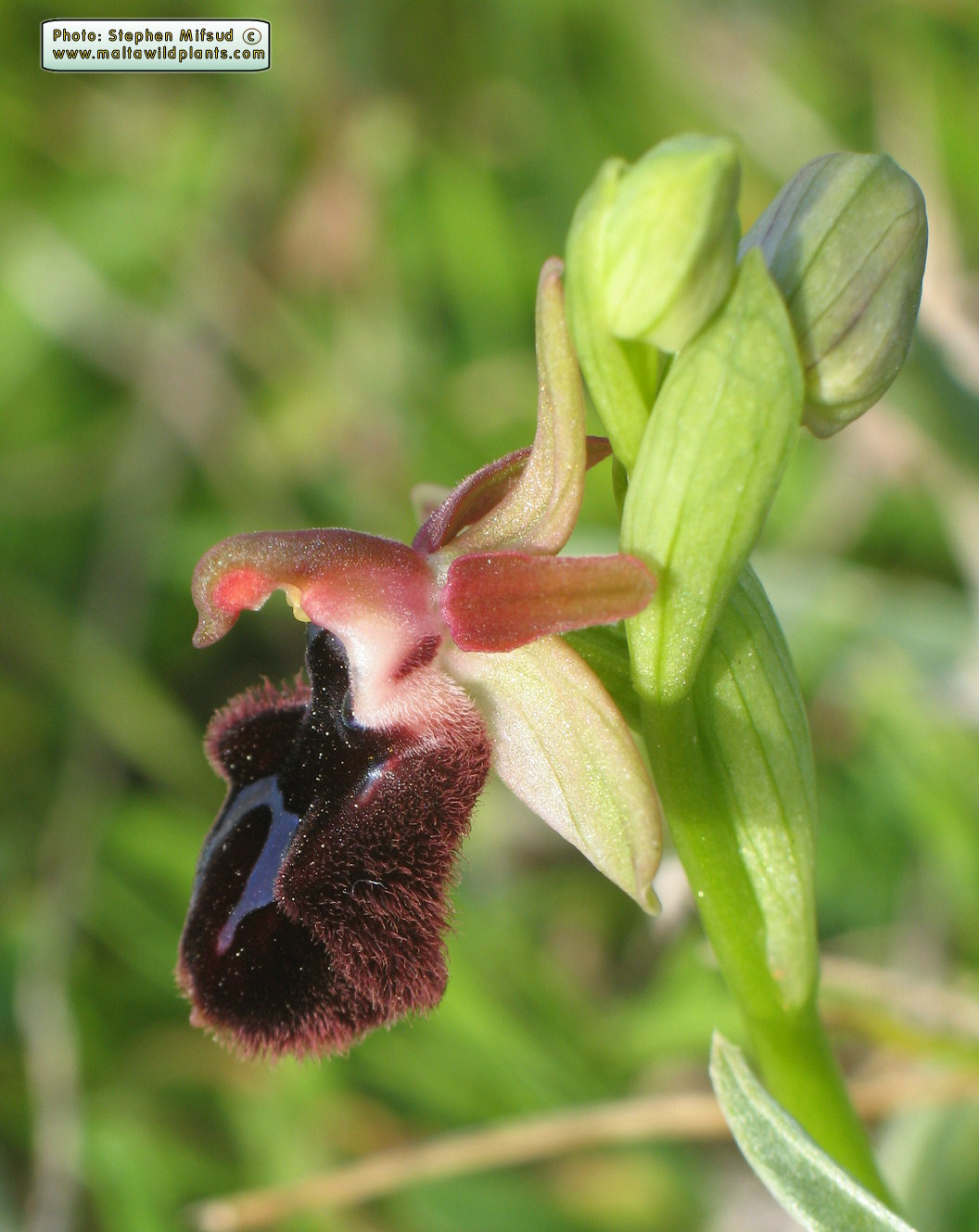
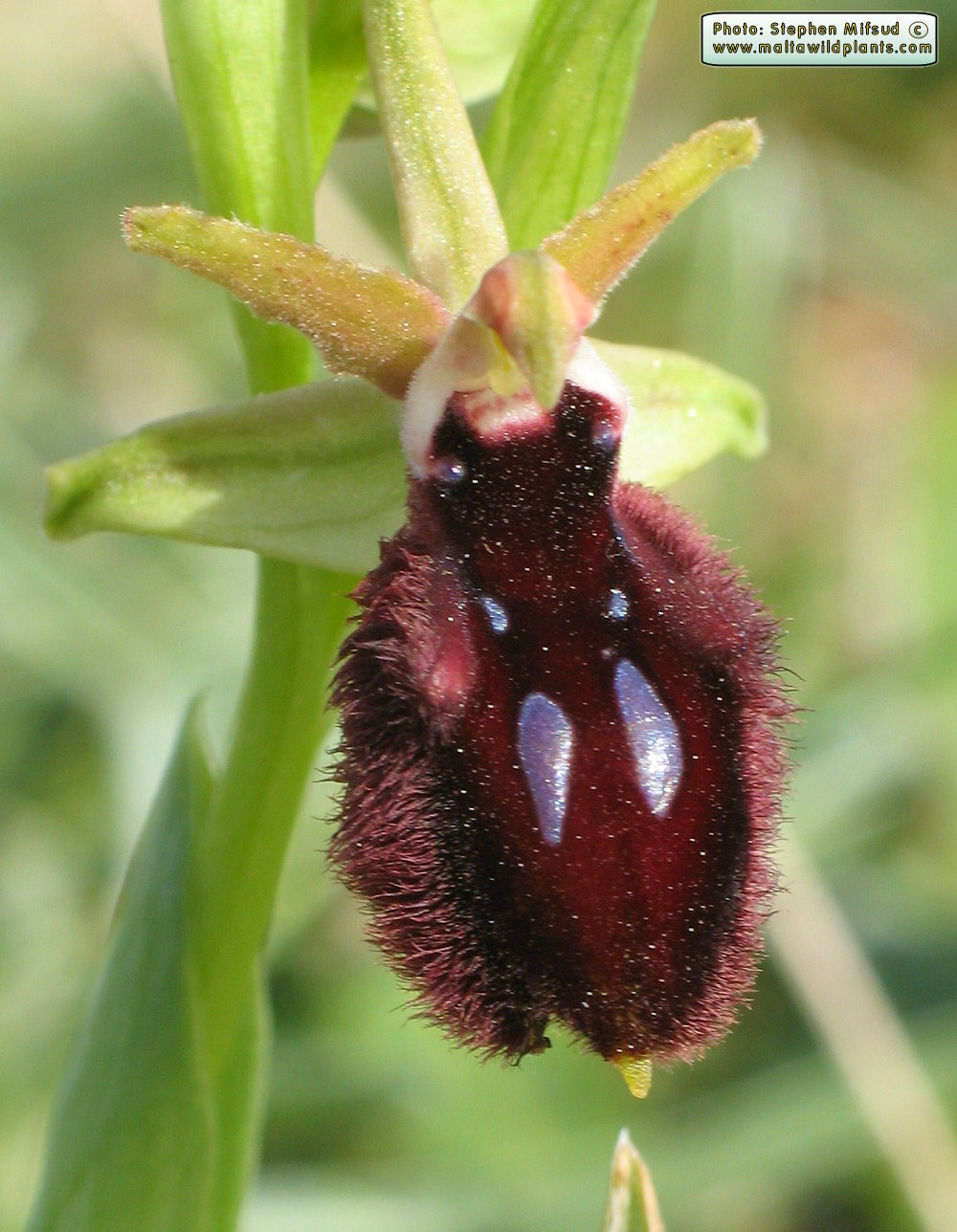
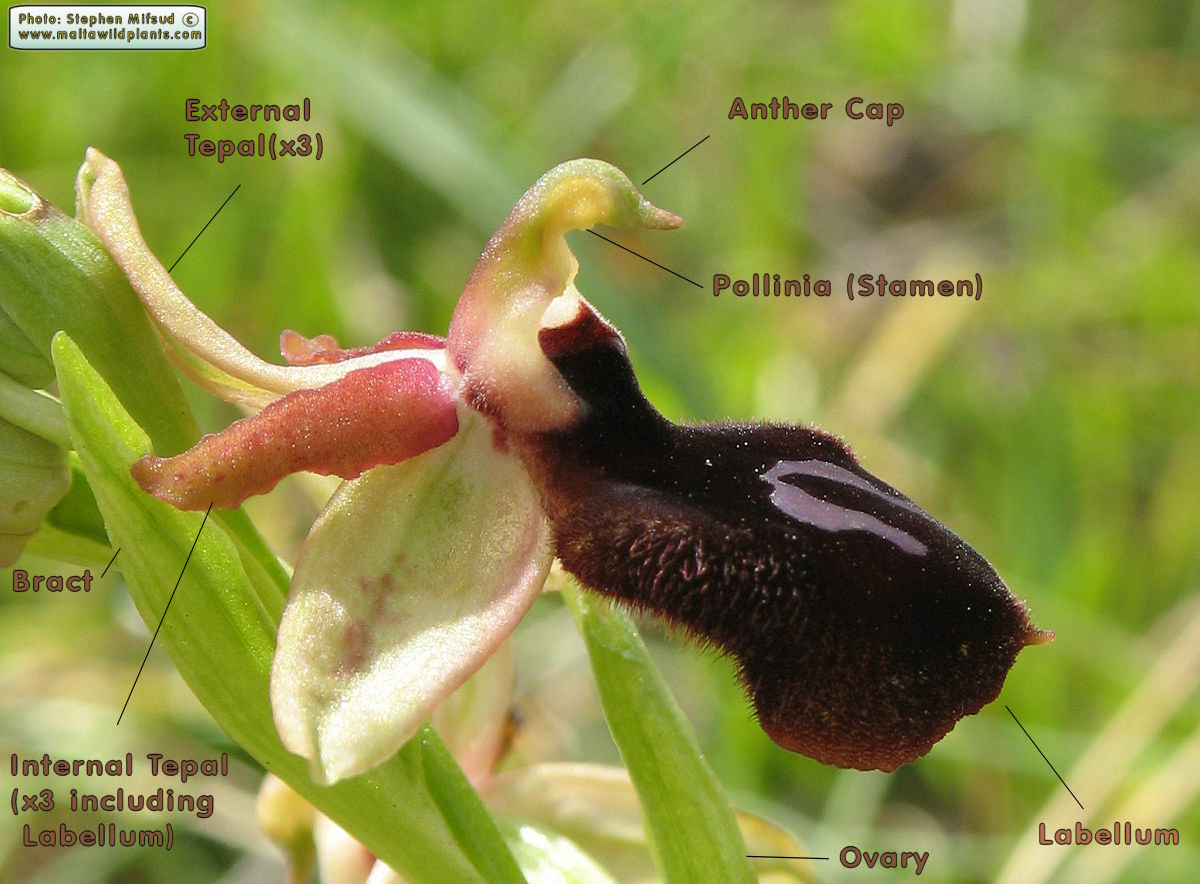
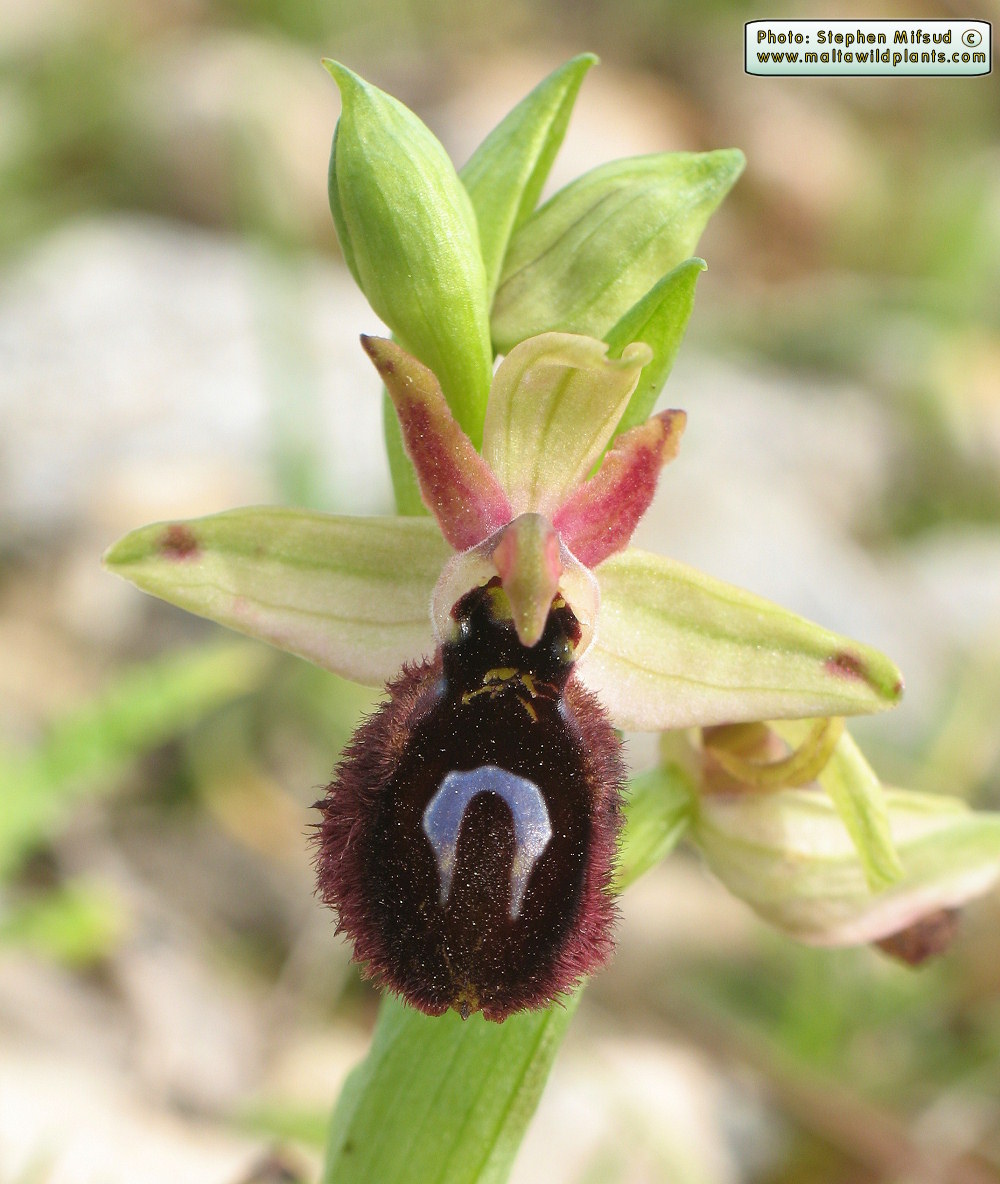
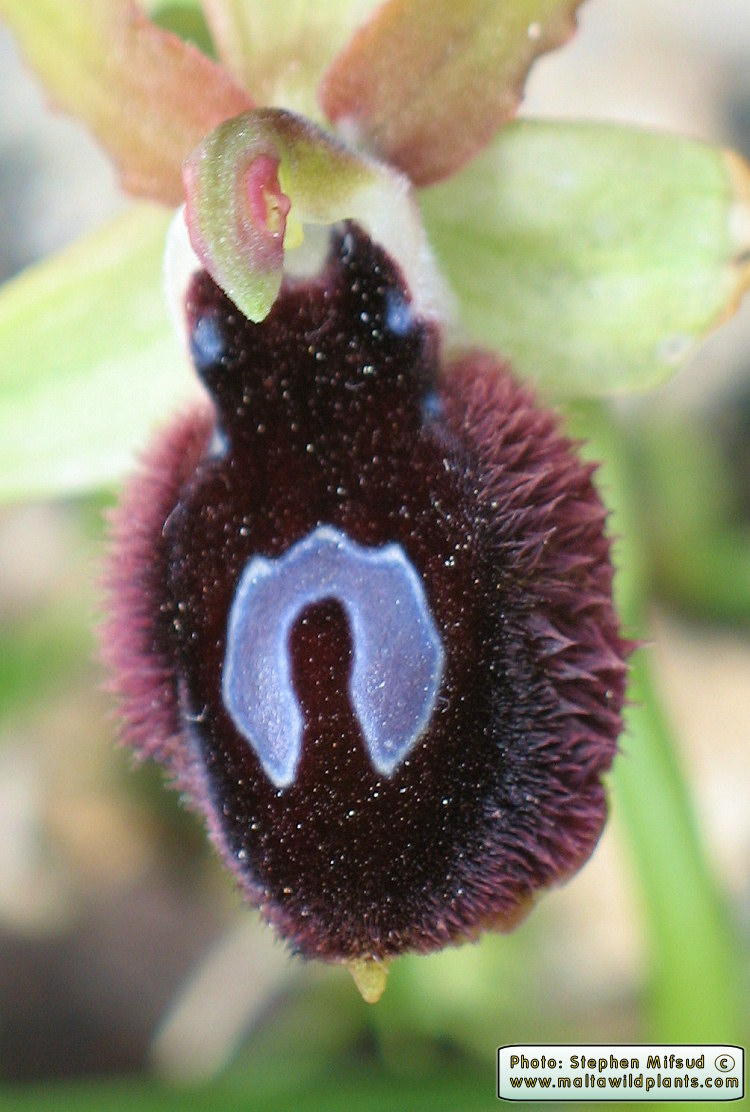
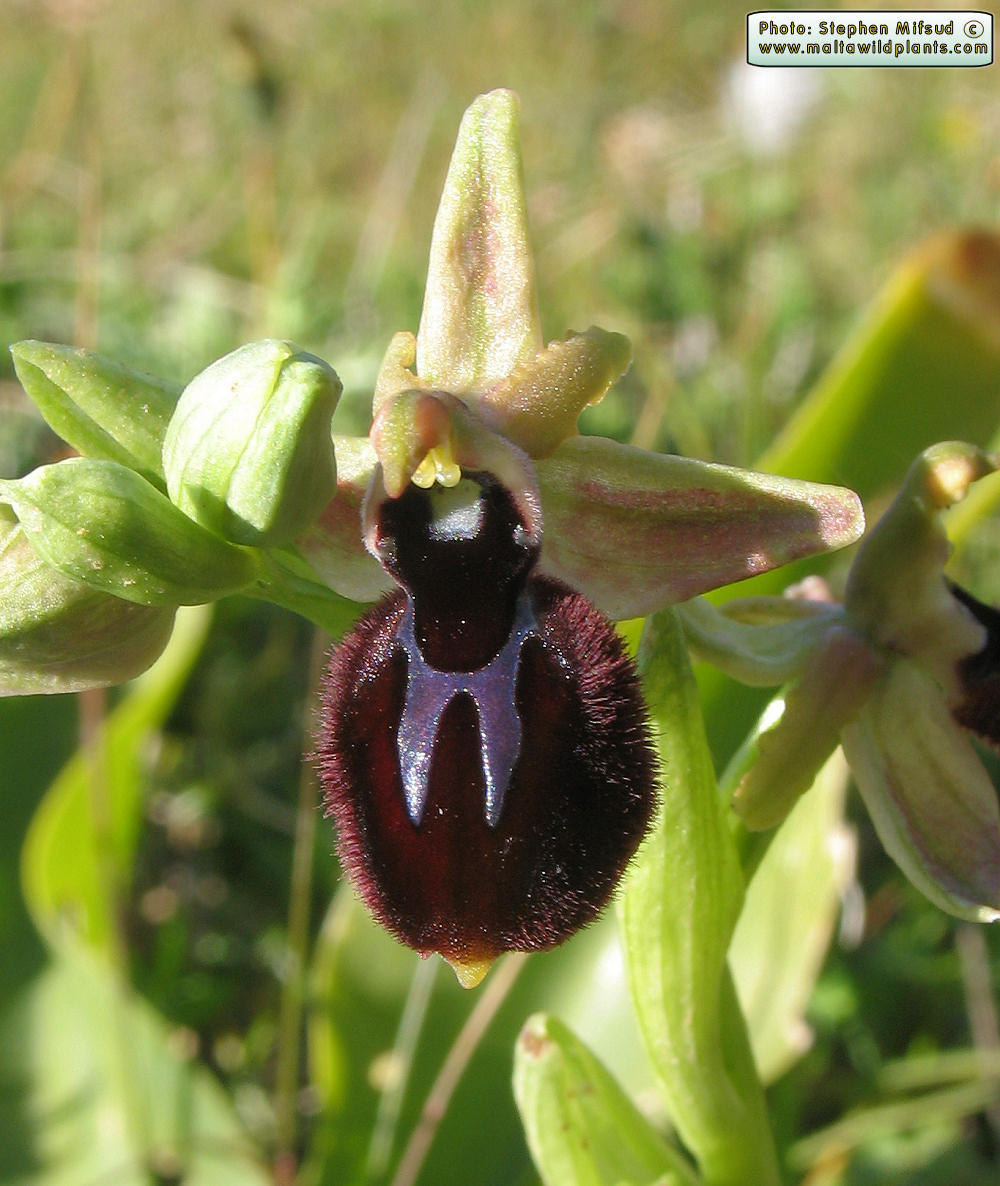
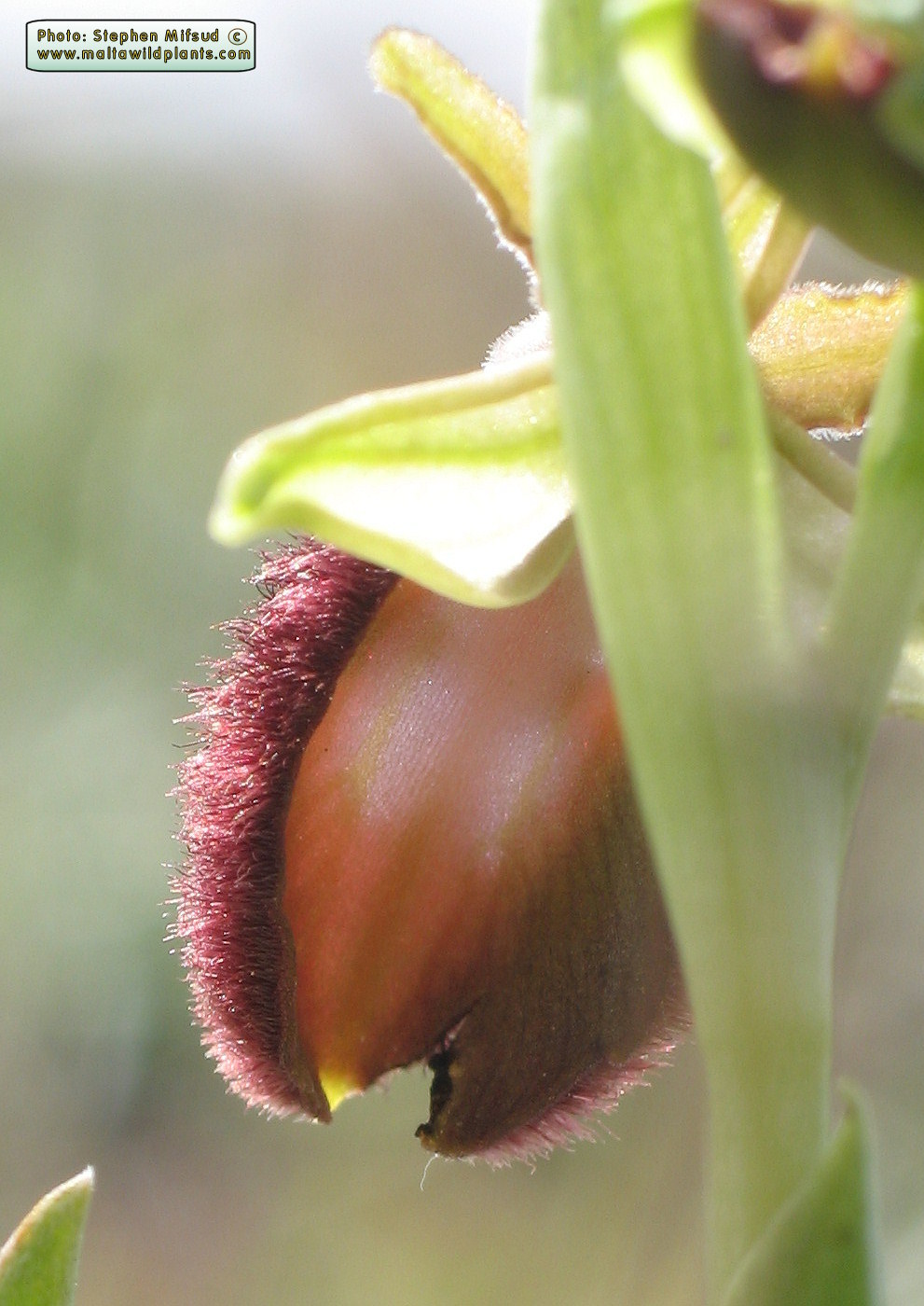
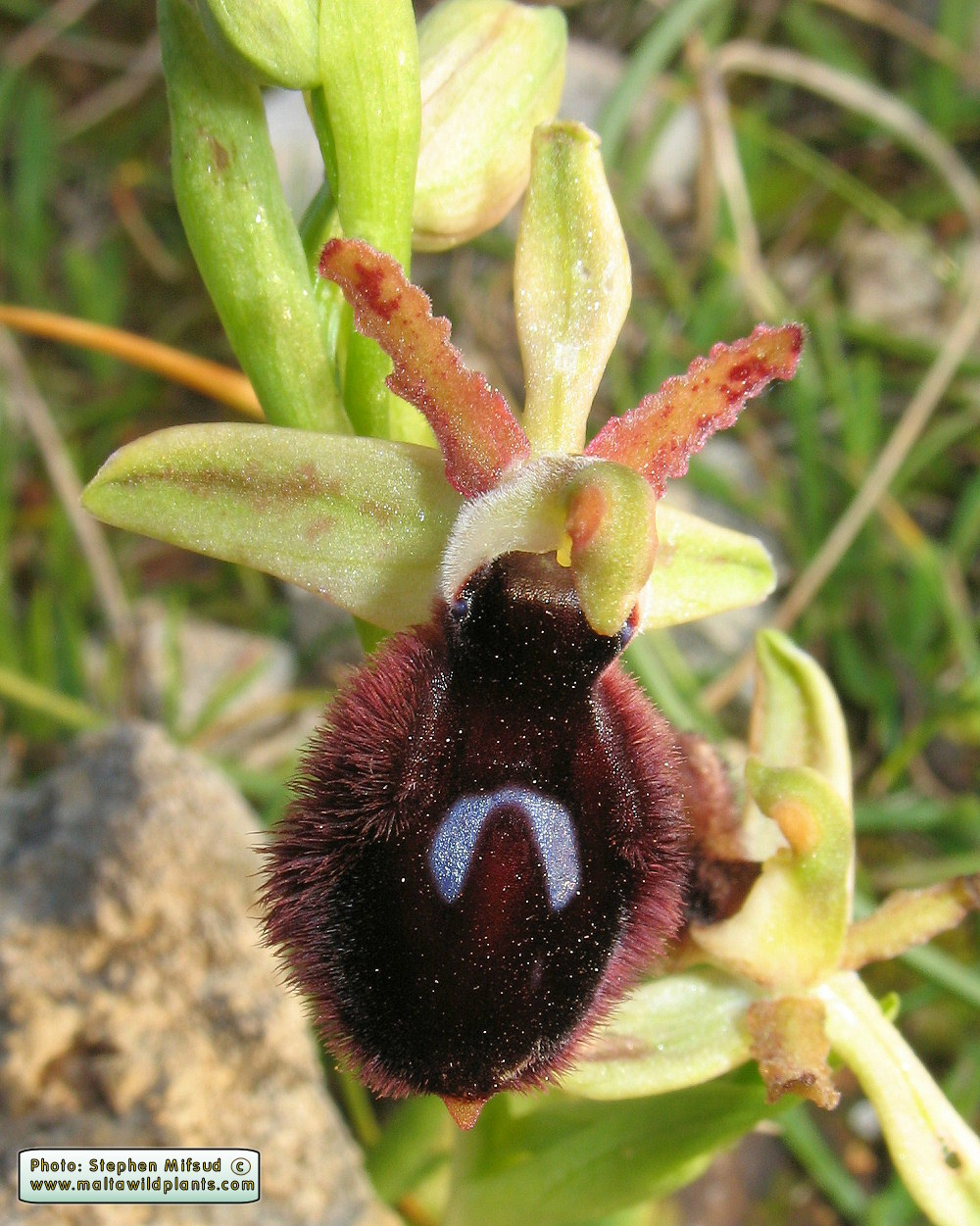
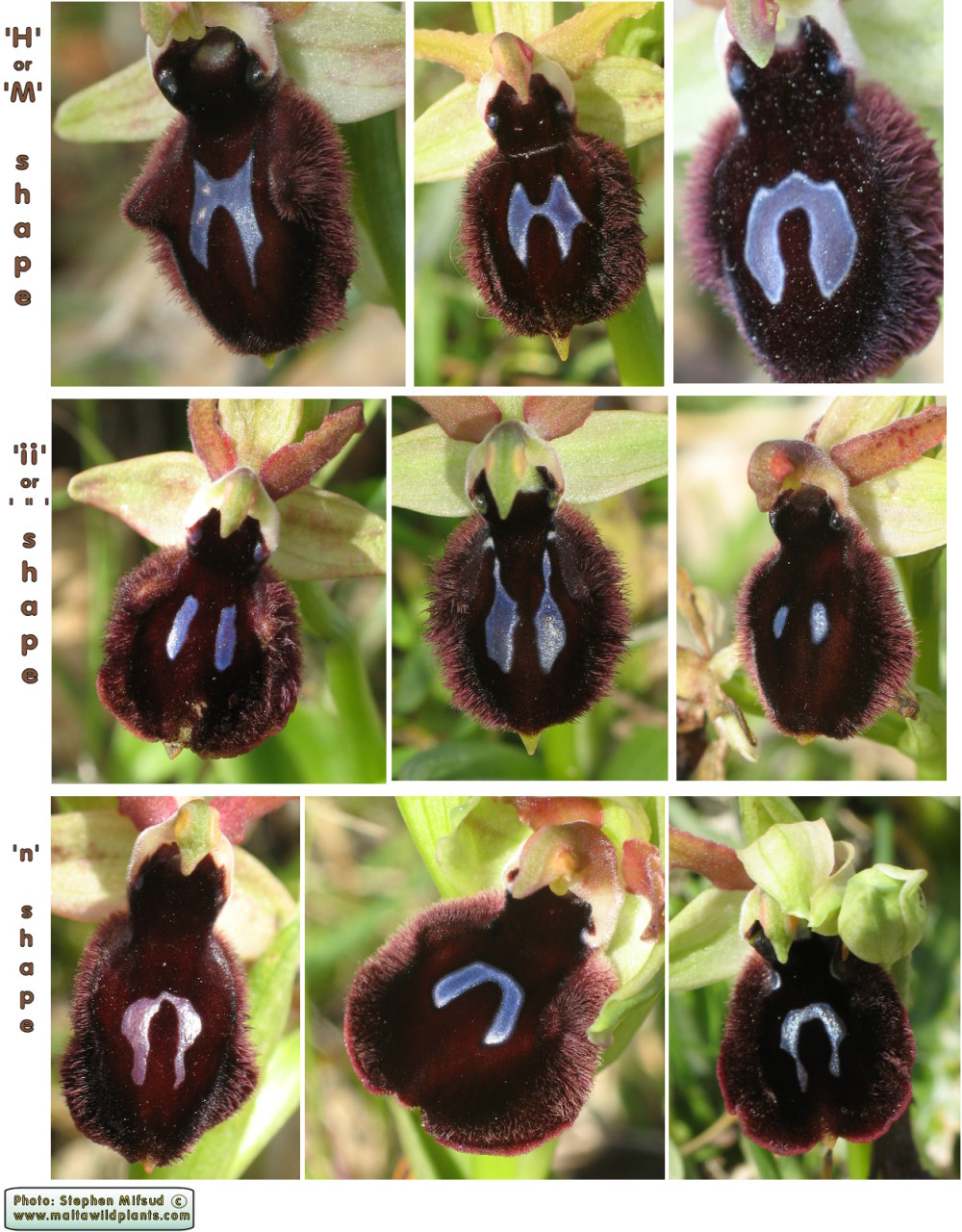
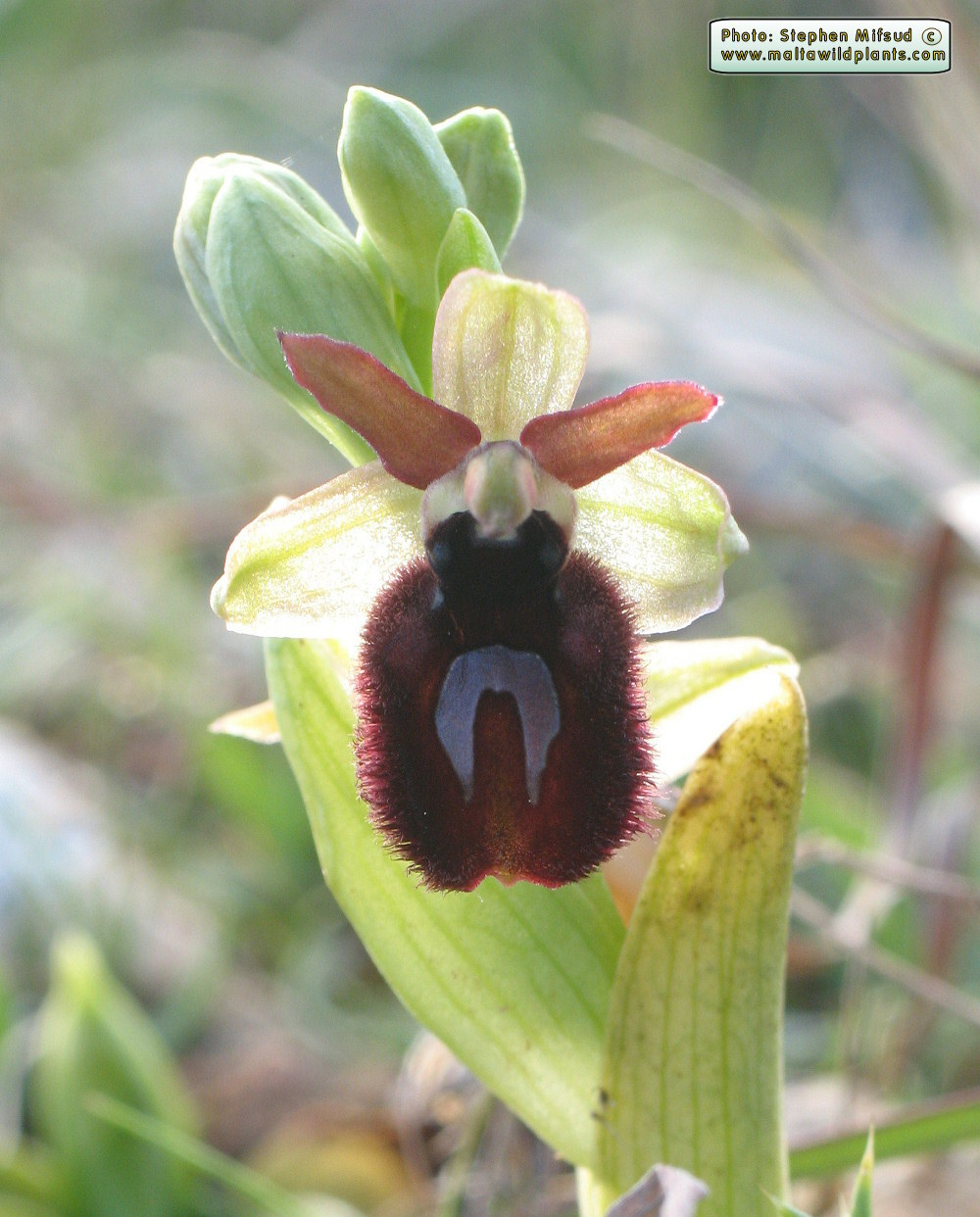
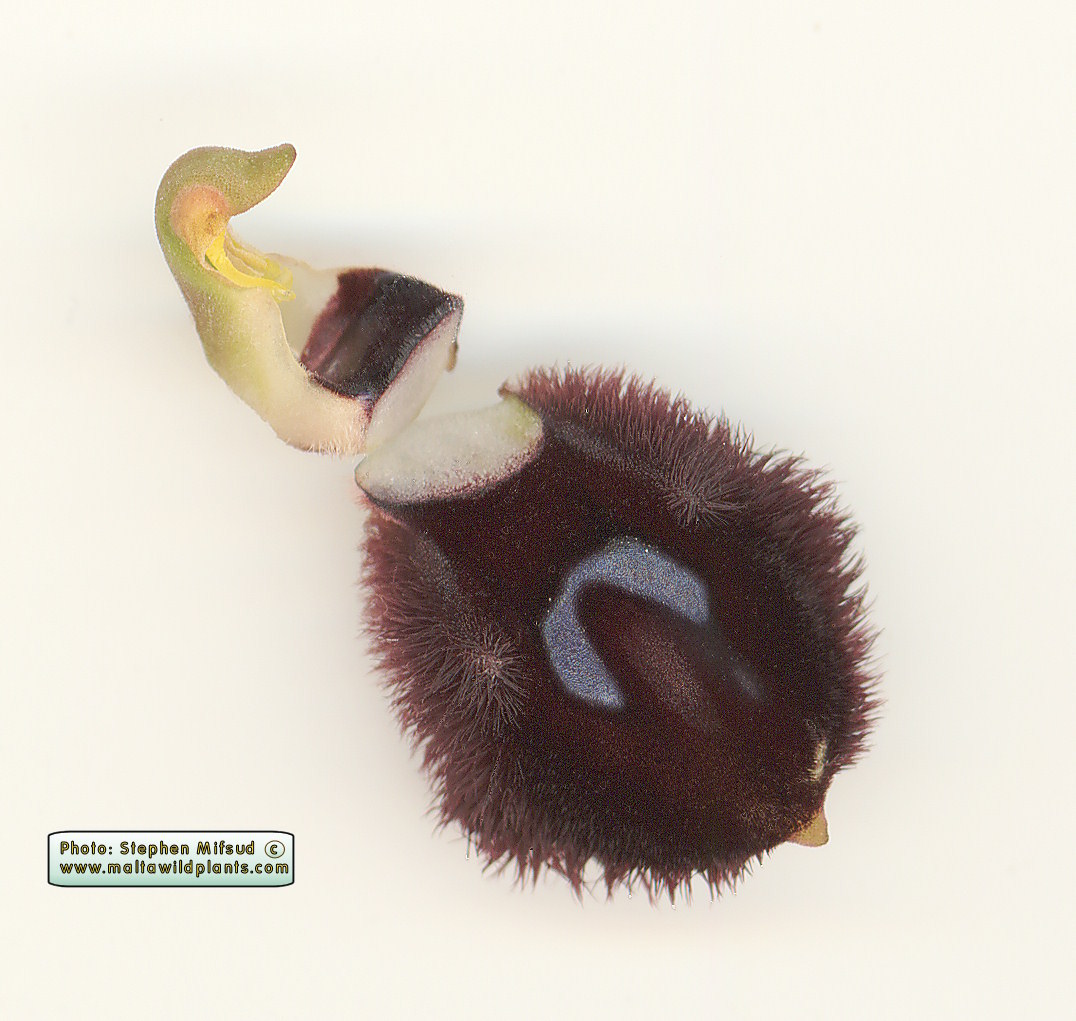
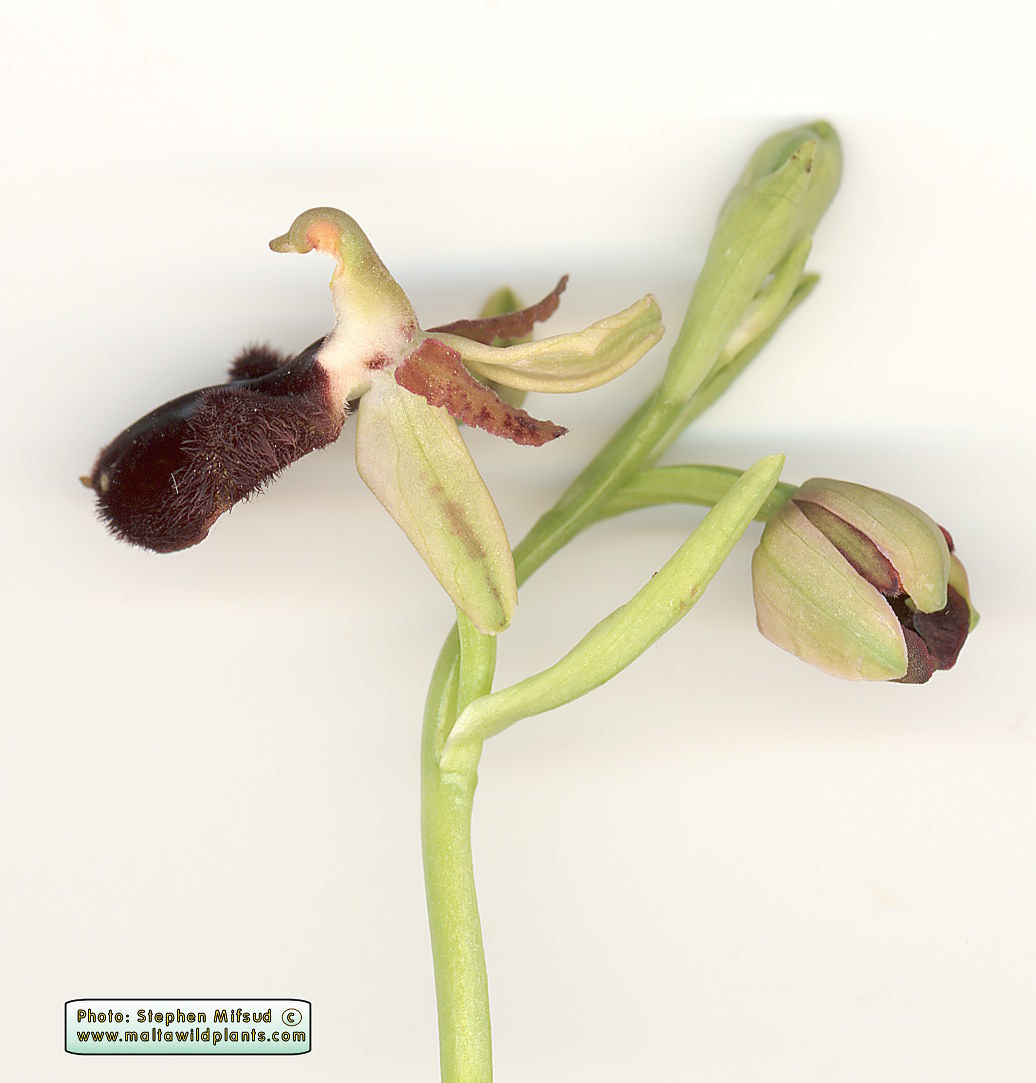
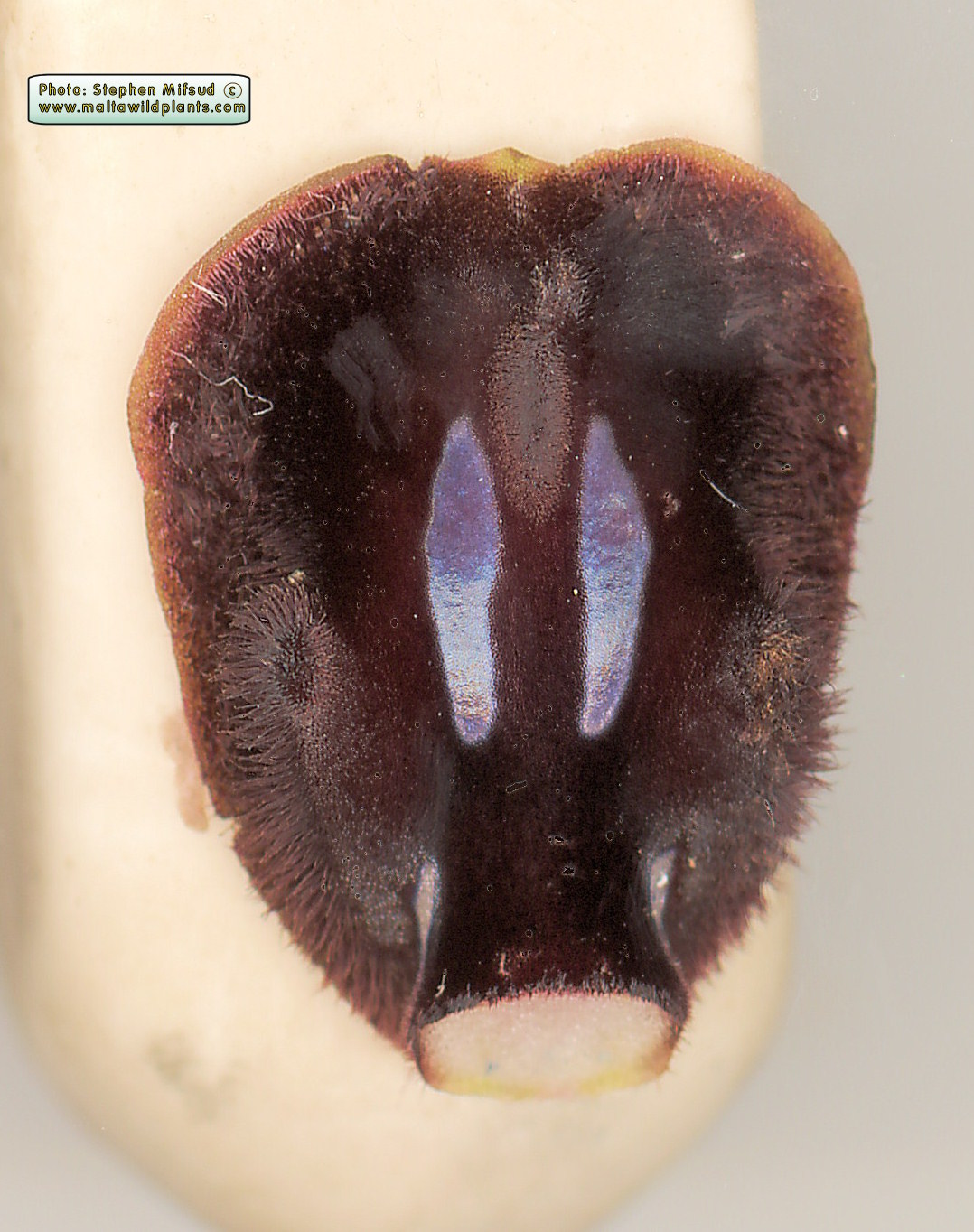
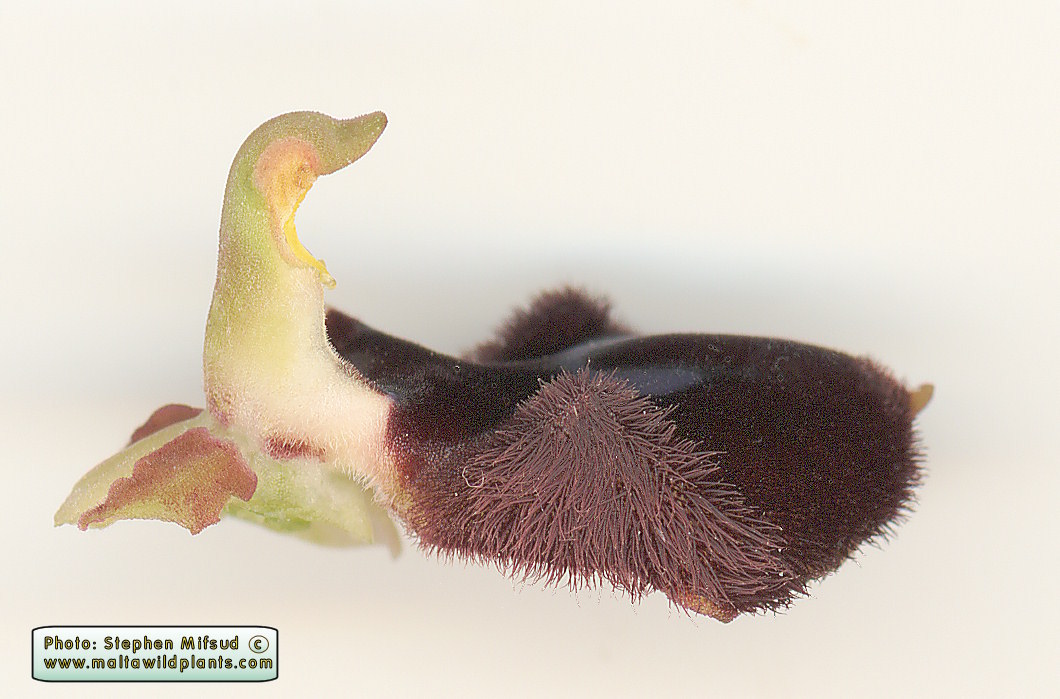
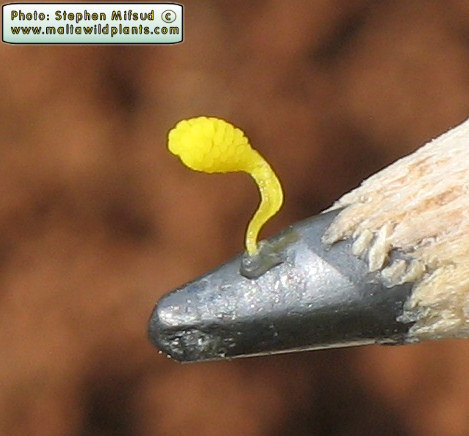
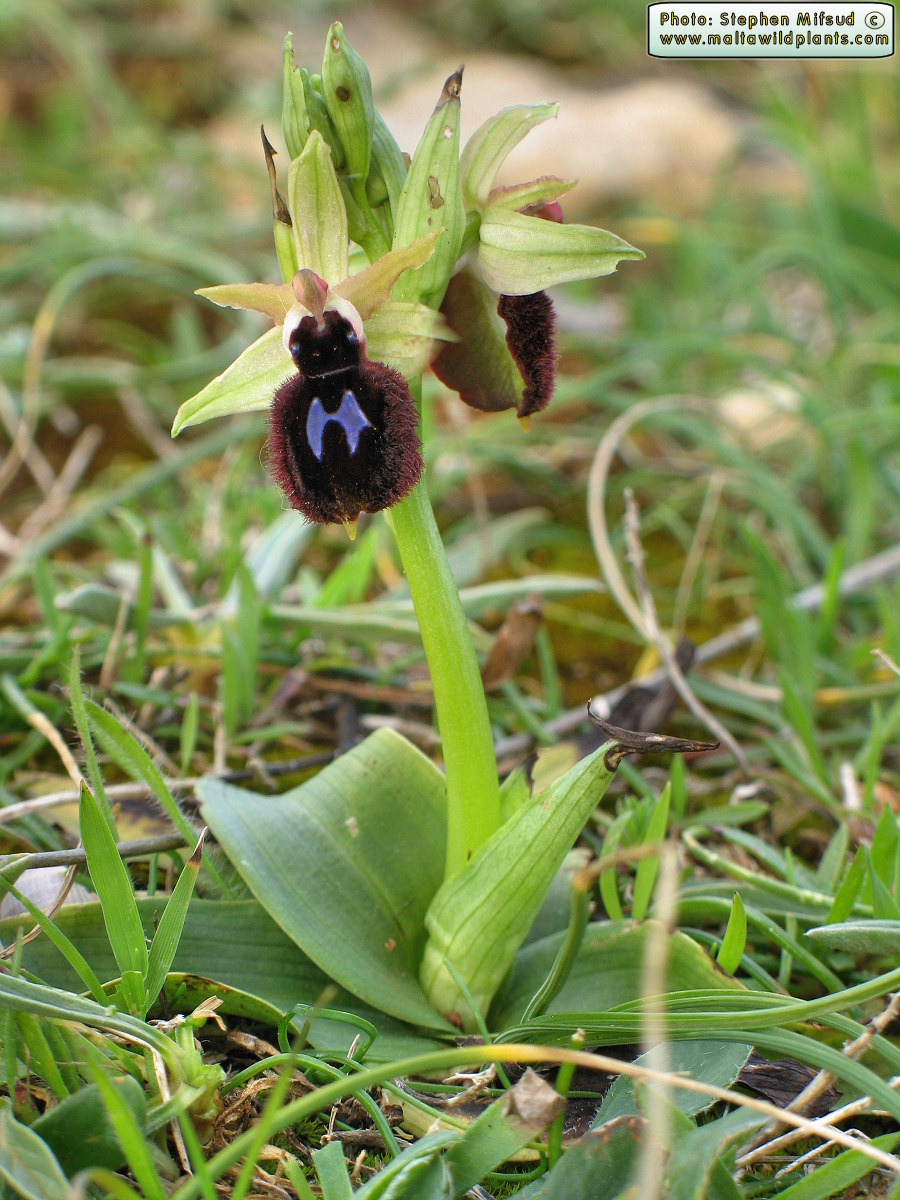
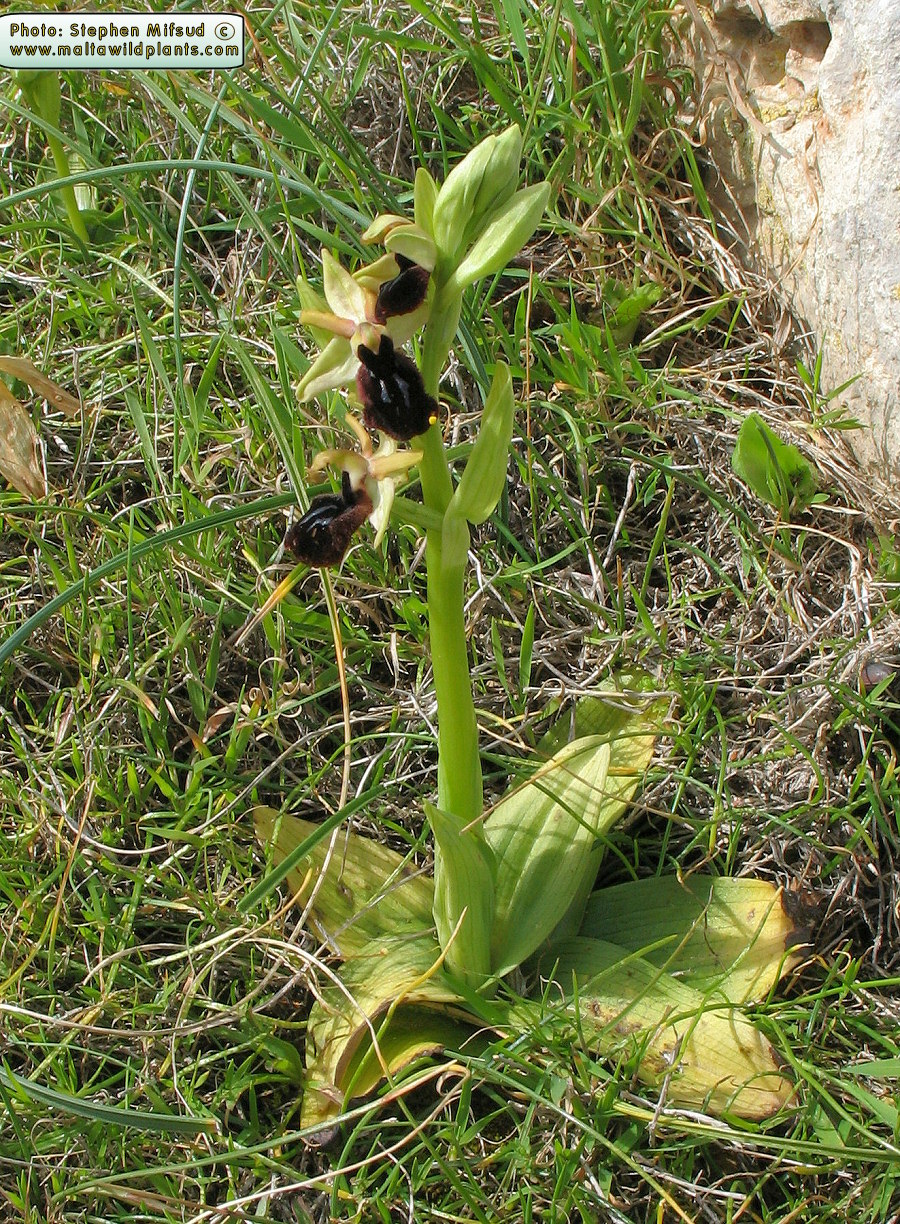
Ophrys melitensis - Image Code: OPHMT-0.
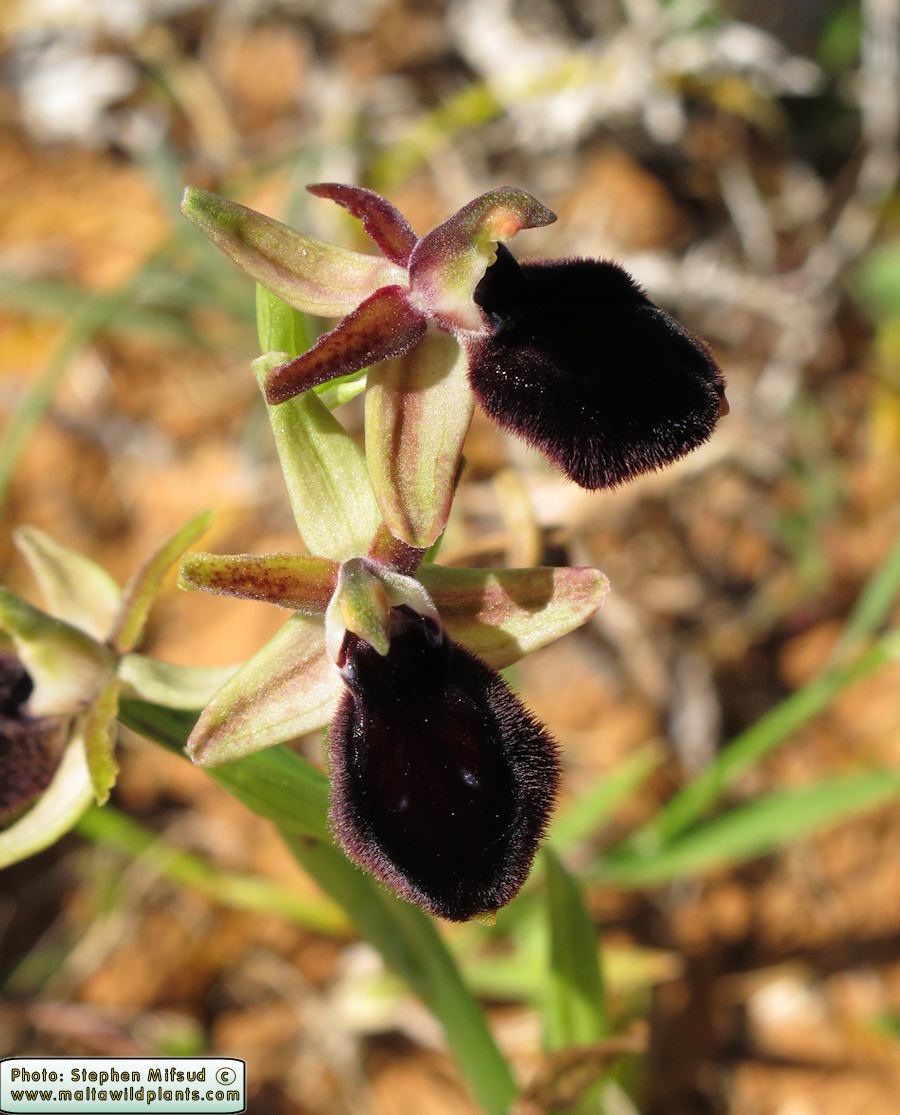
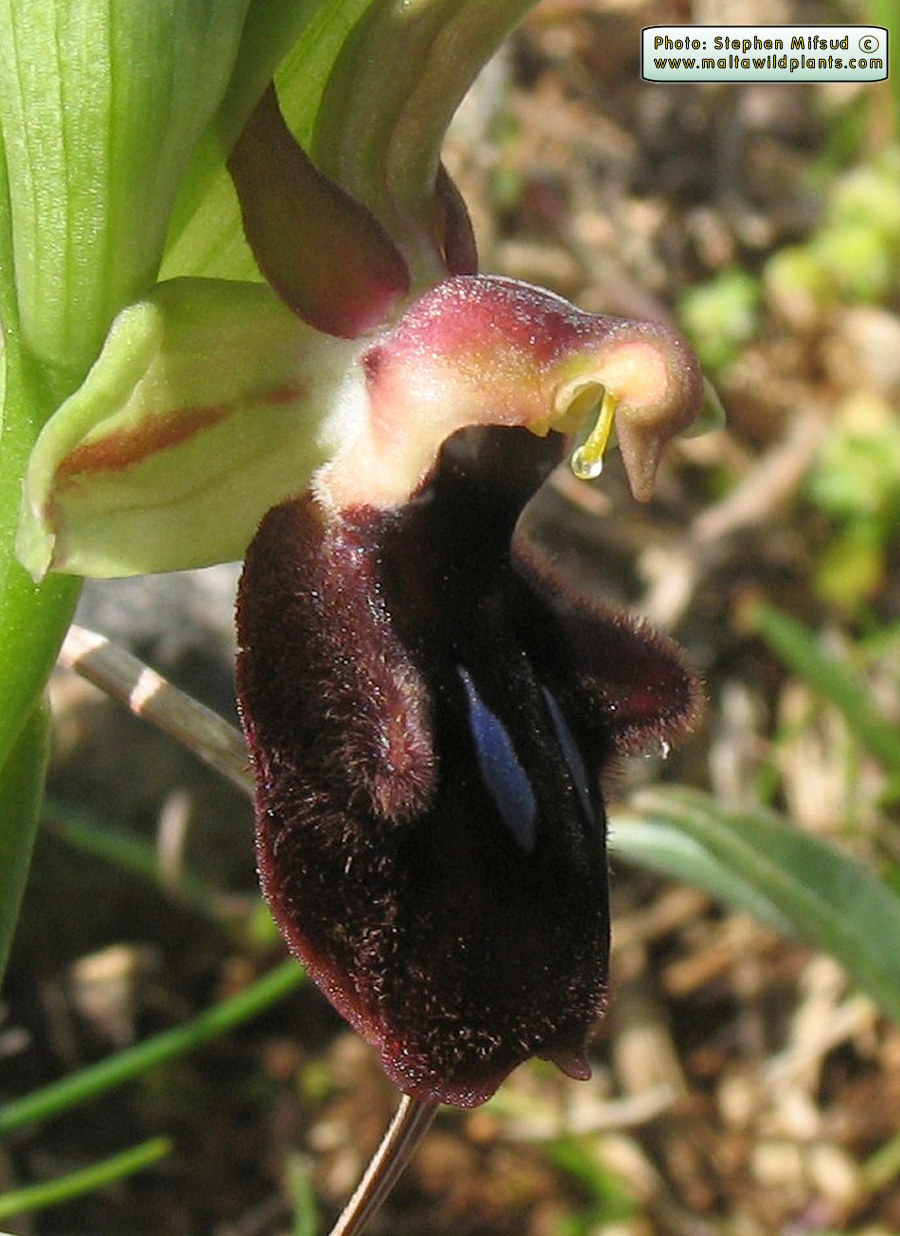
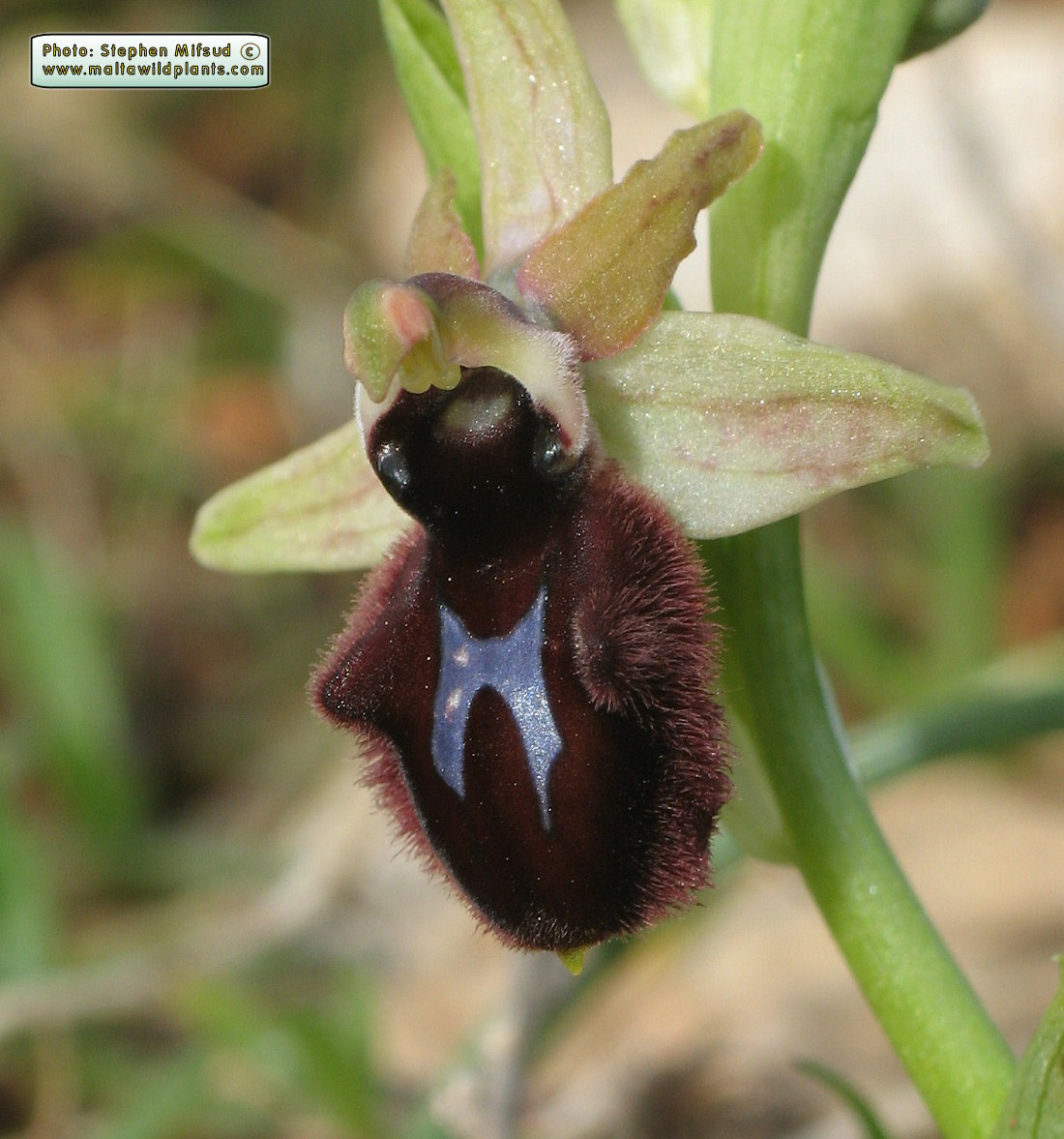
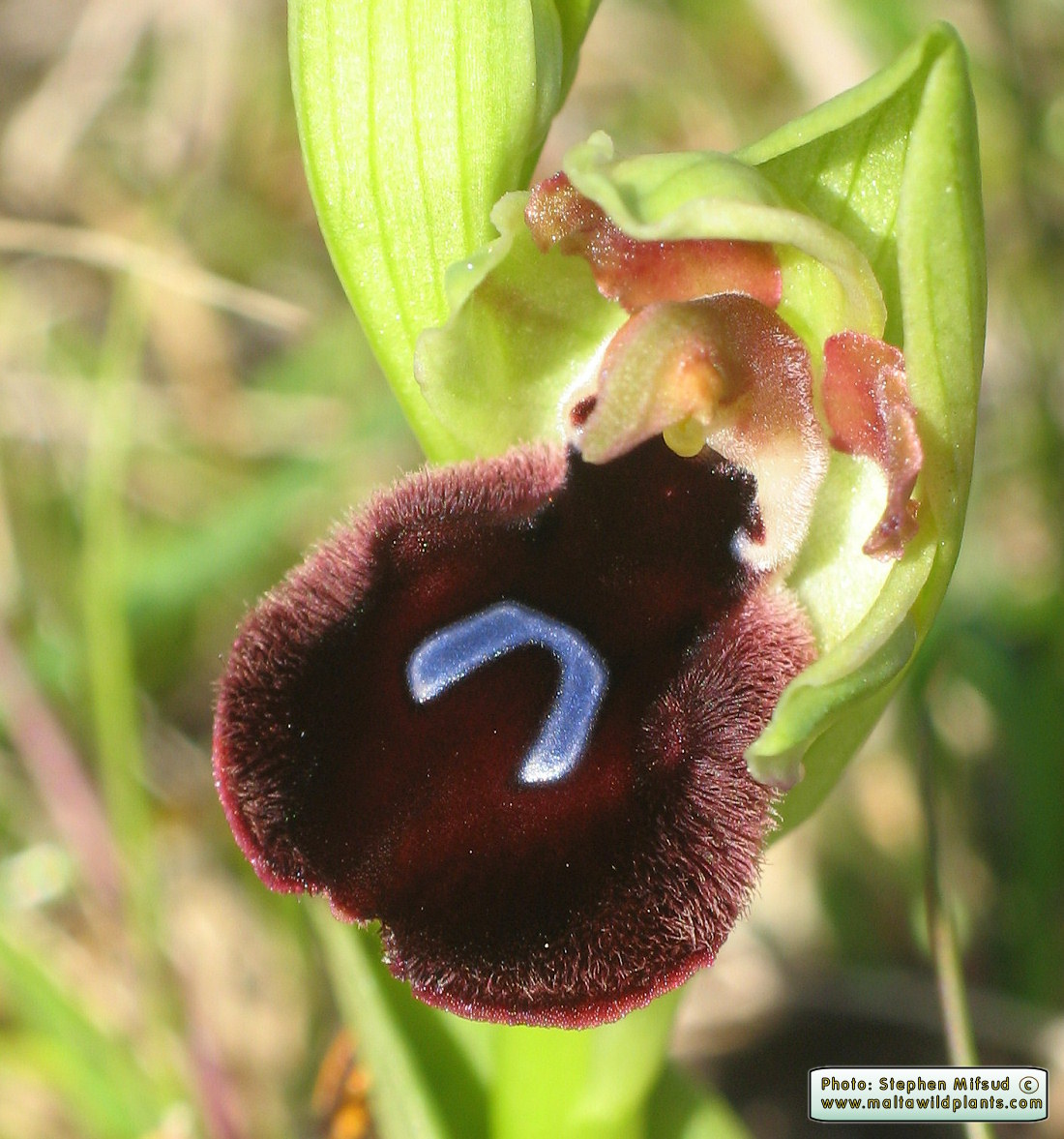
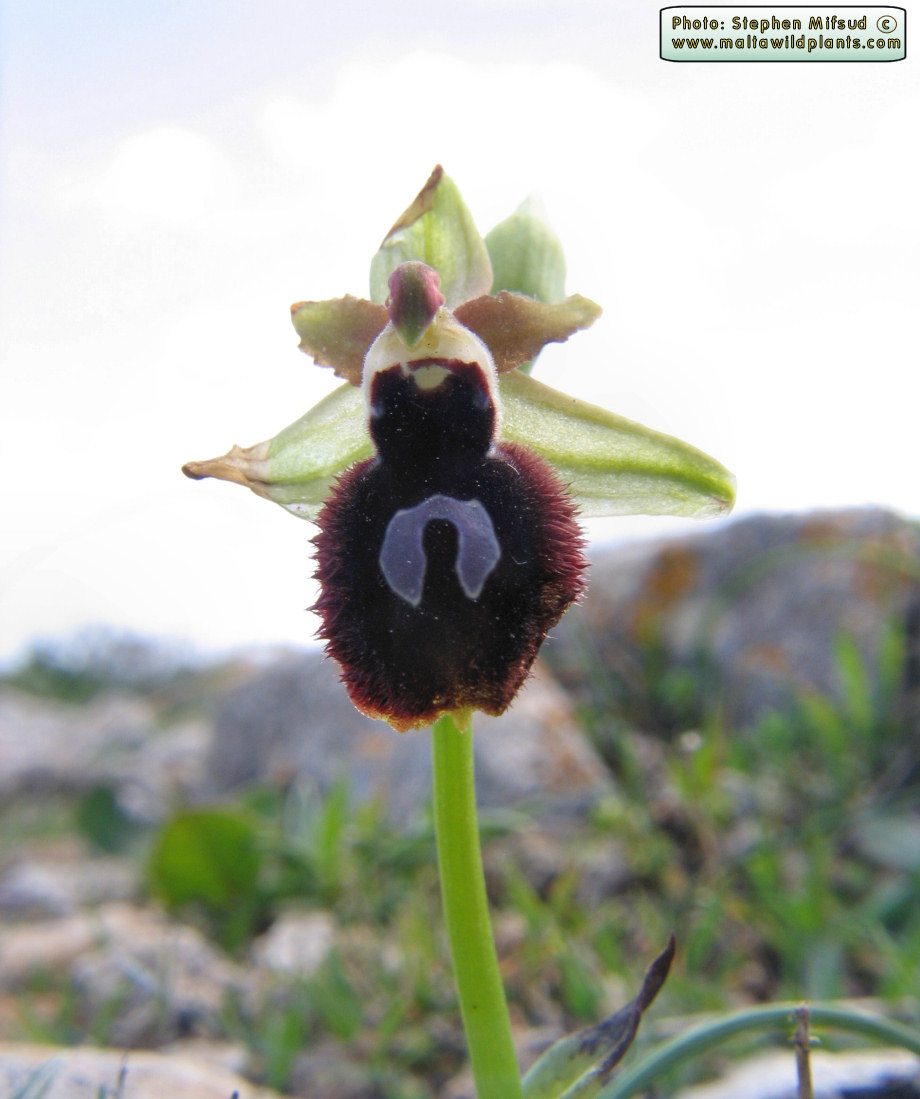
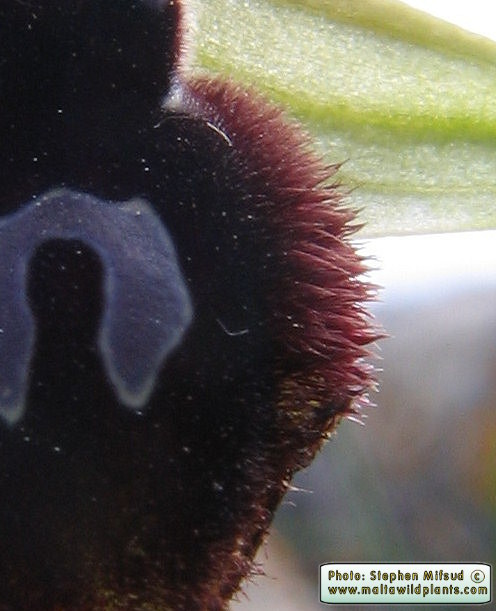
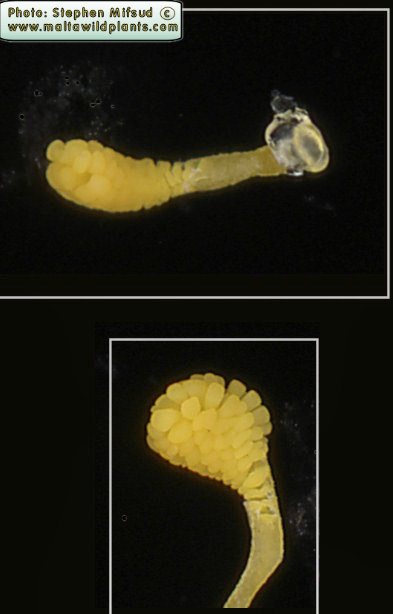
Ophrys melitensis - Image Code: OPHMT-1.
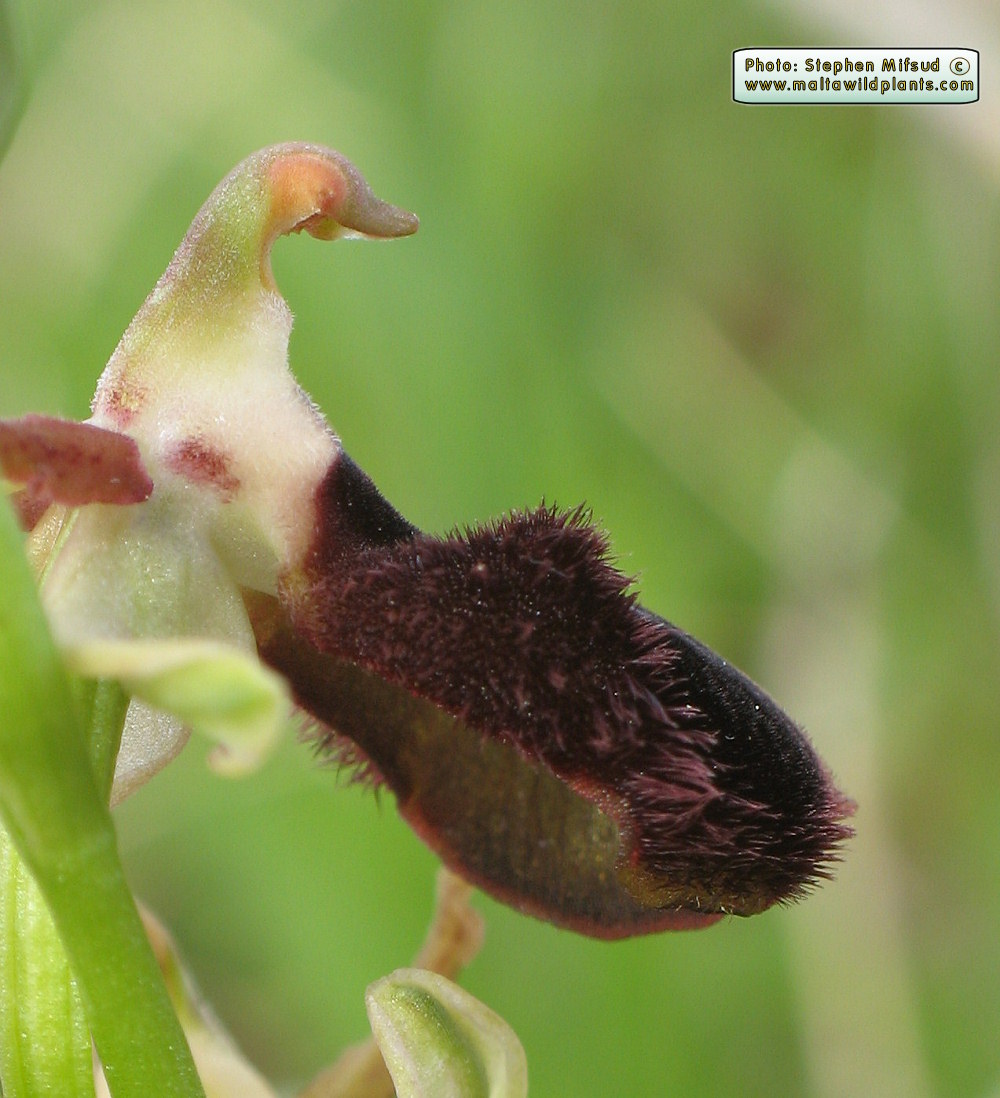
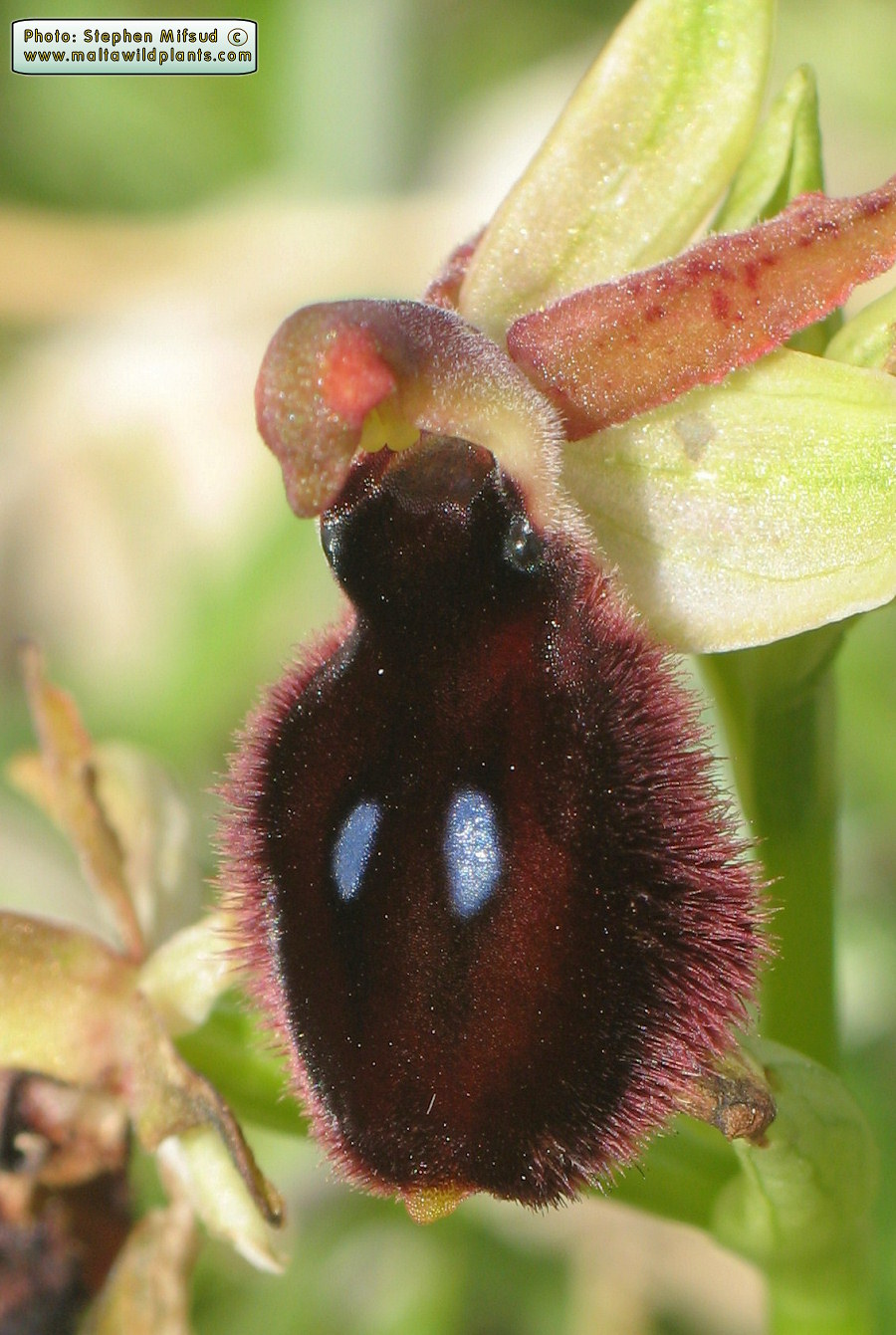
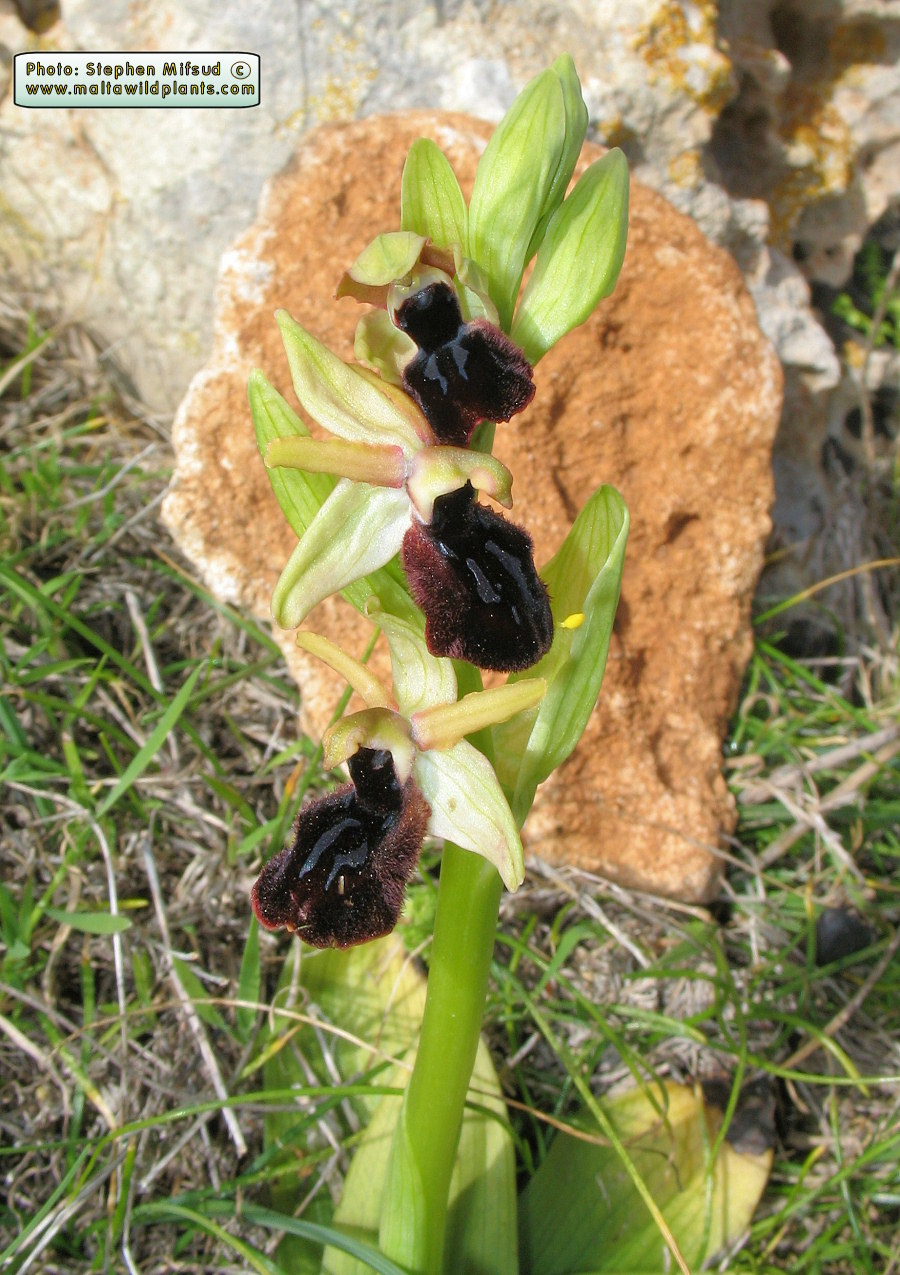
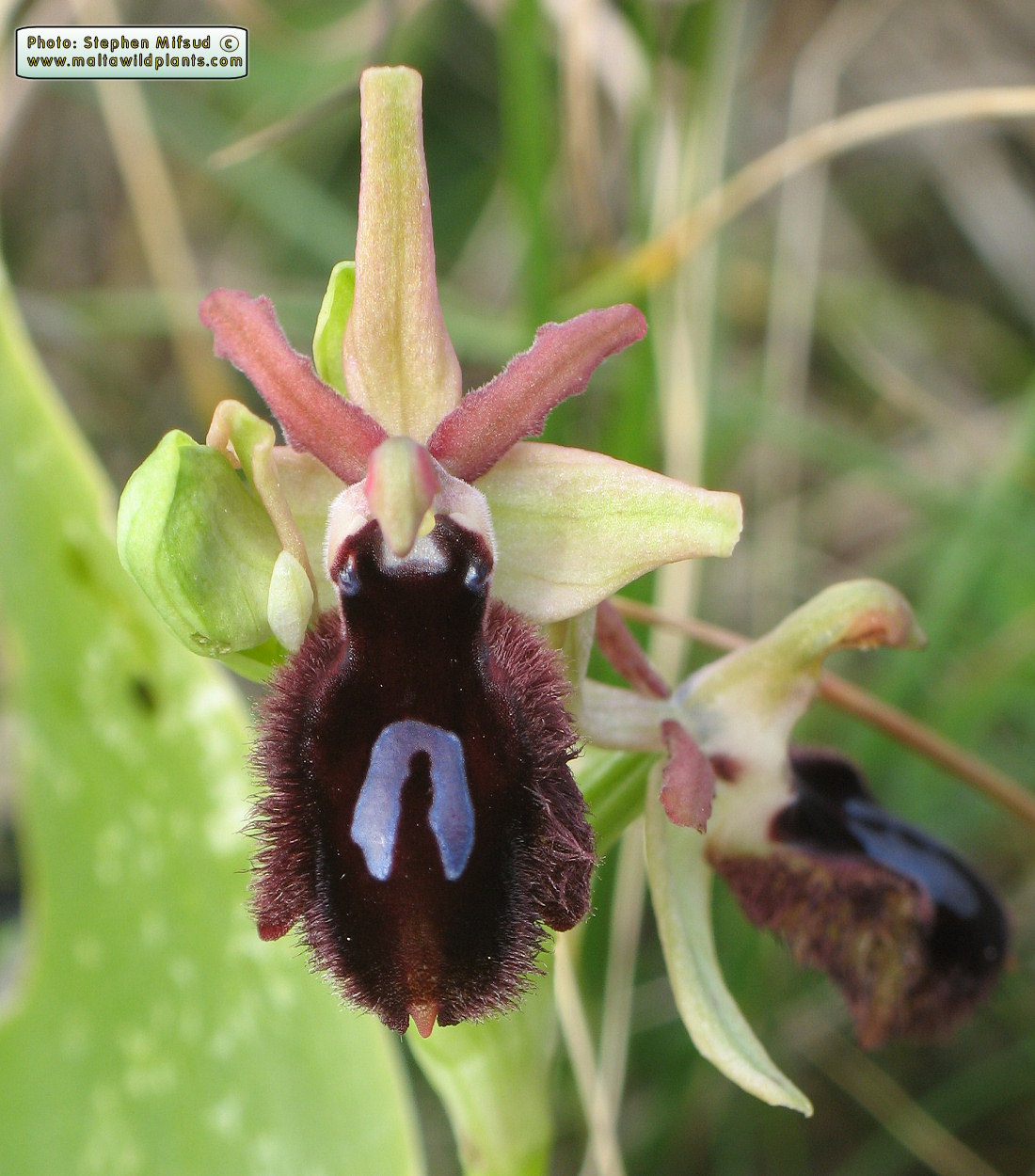
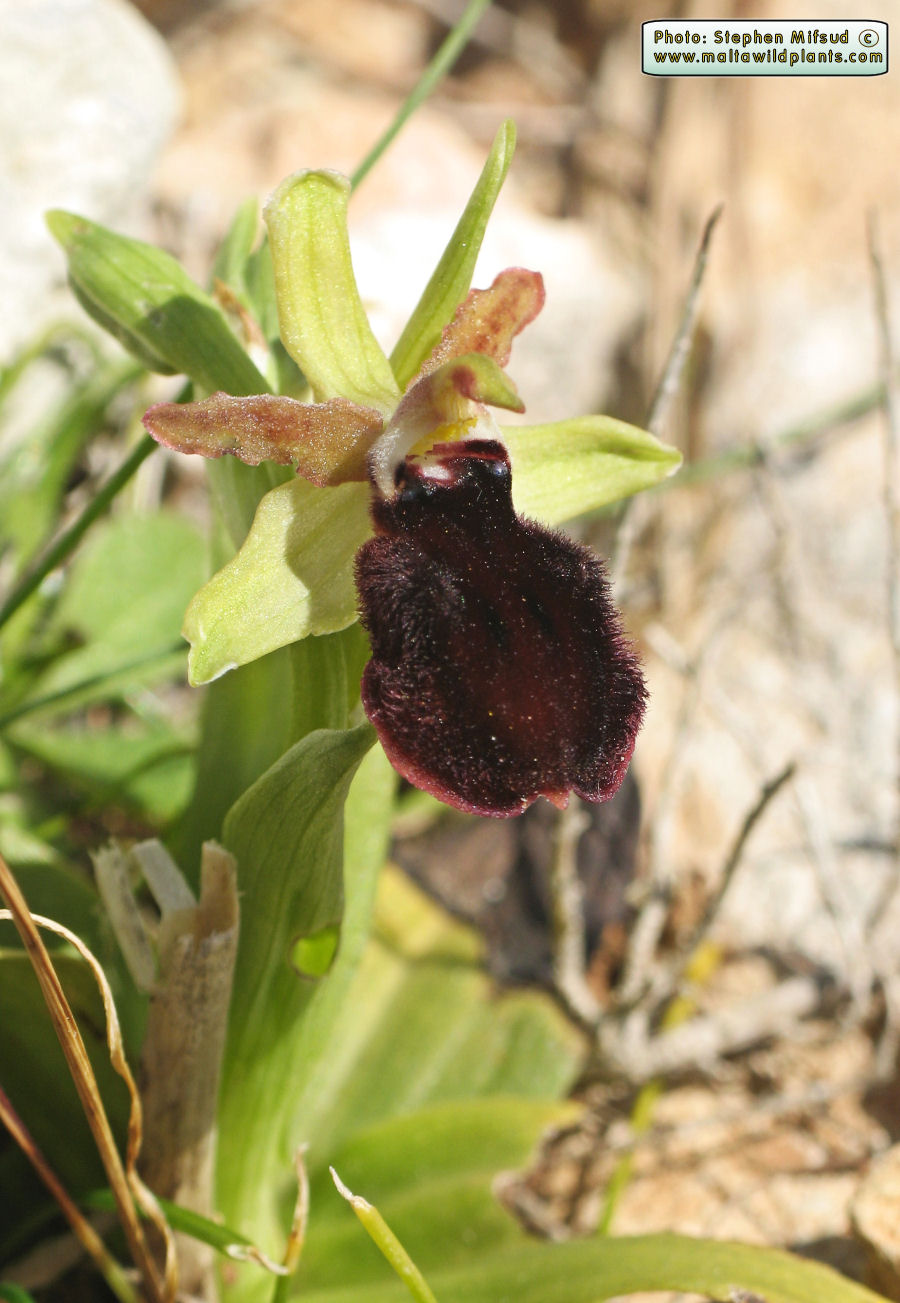
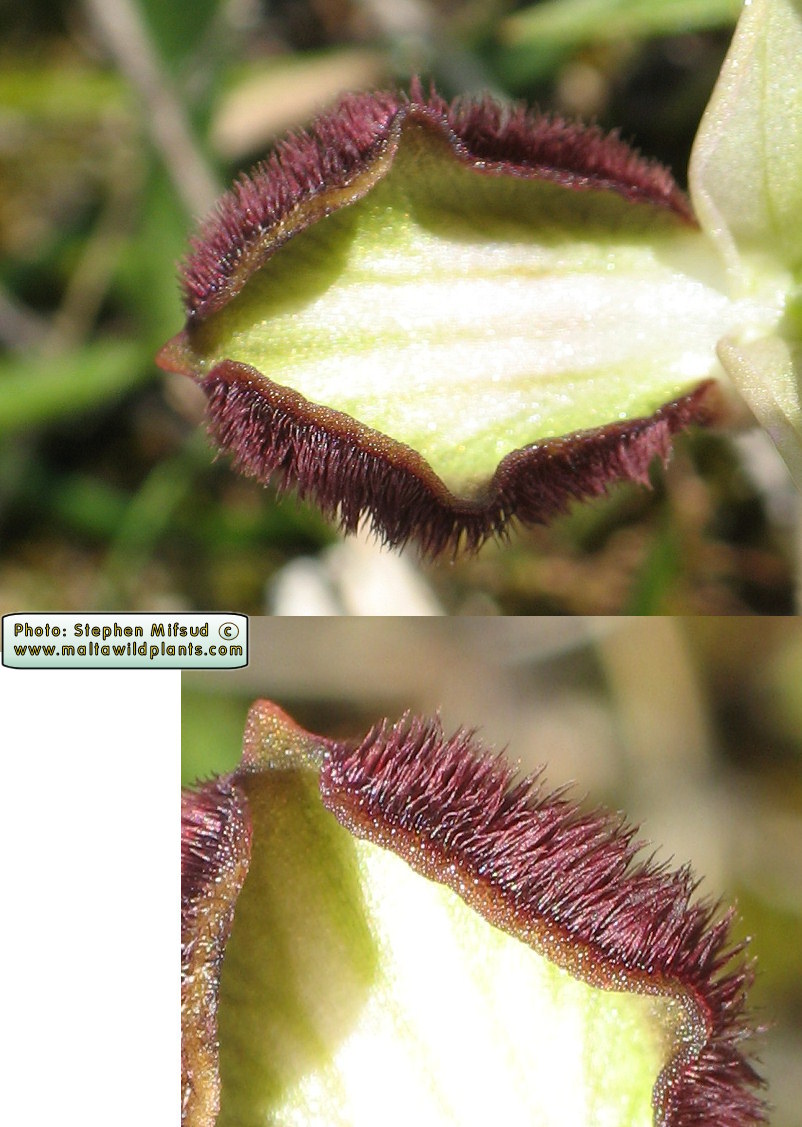
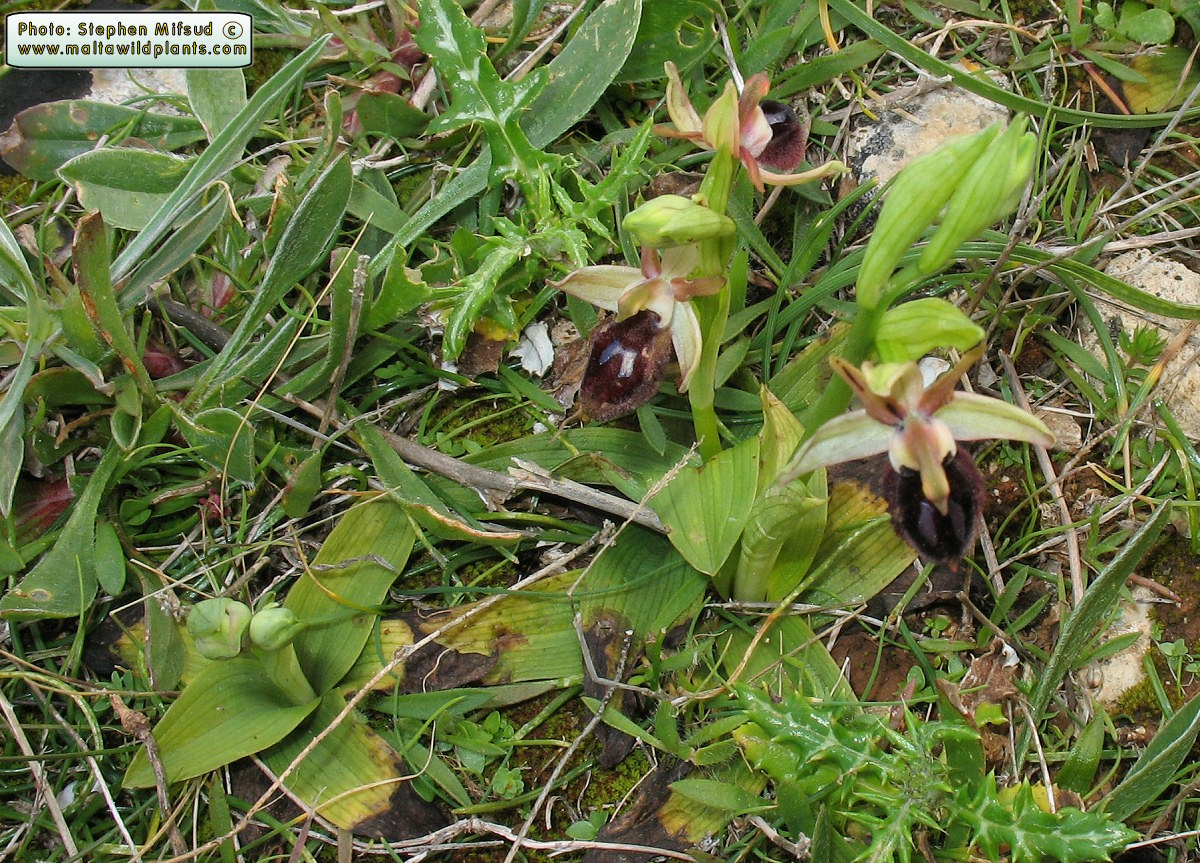
Ophrys melitensis - Image Code: OPHMT-2.
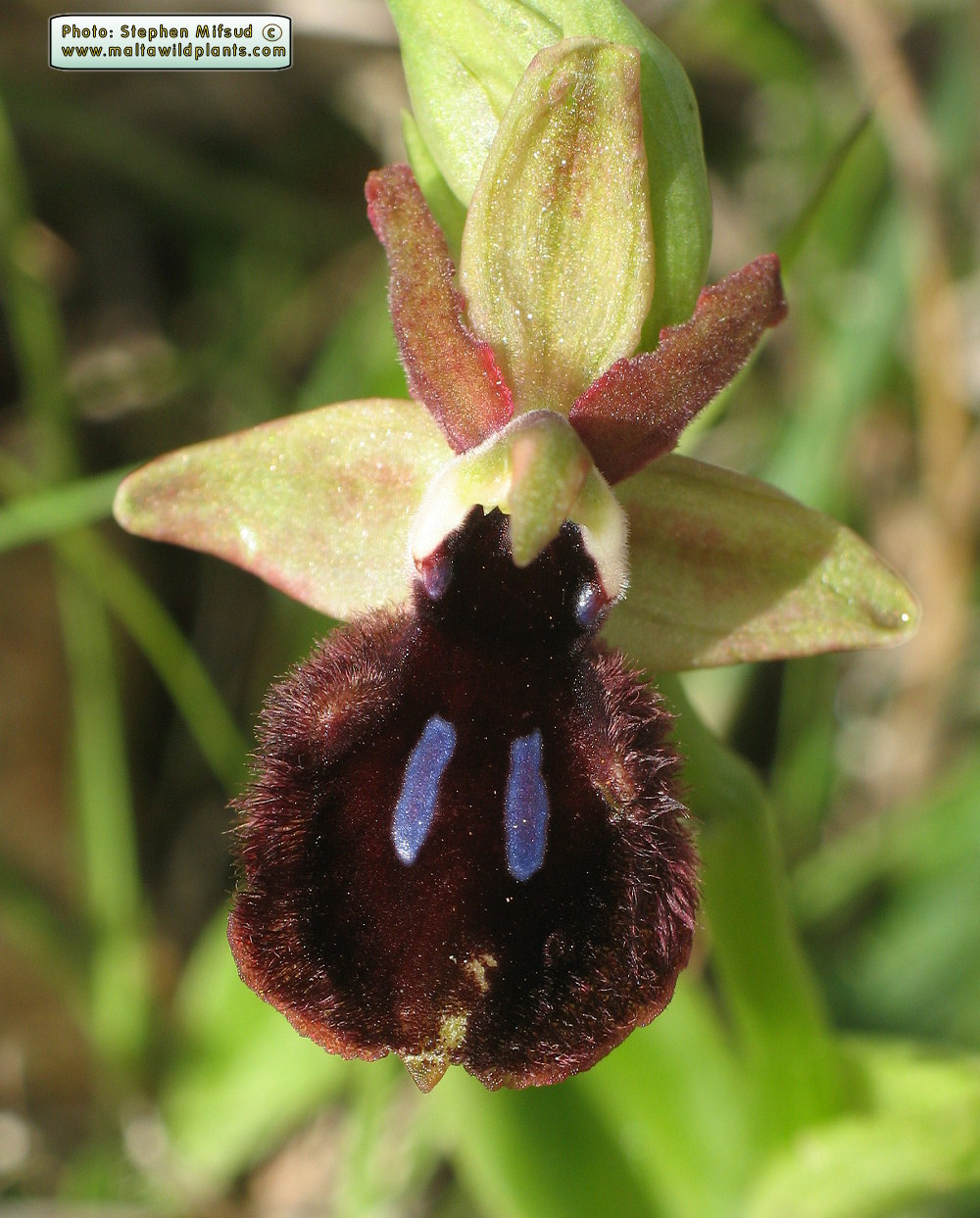
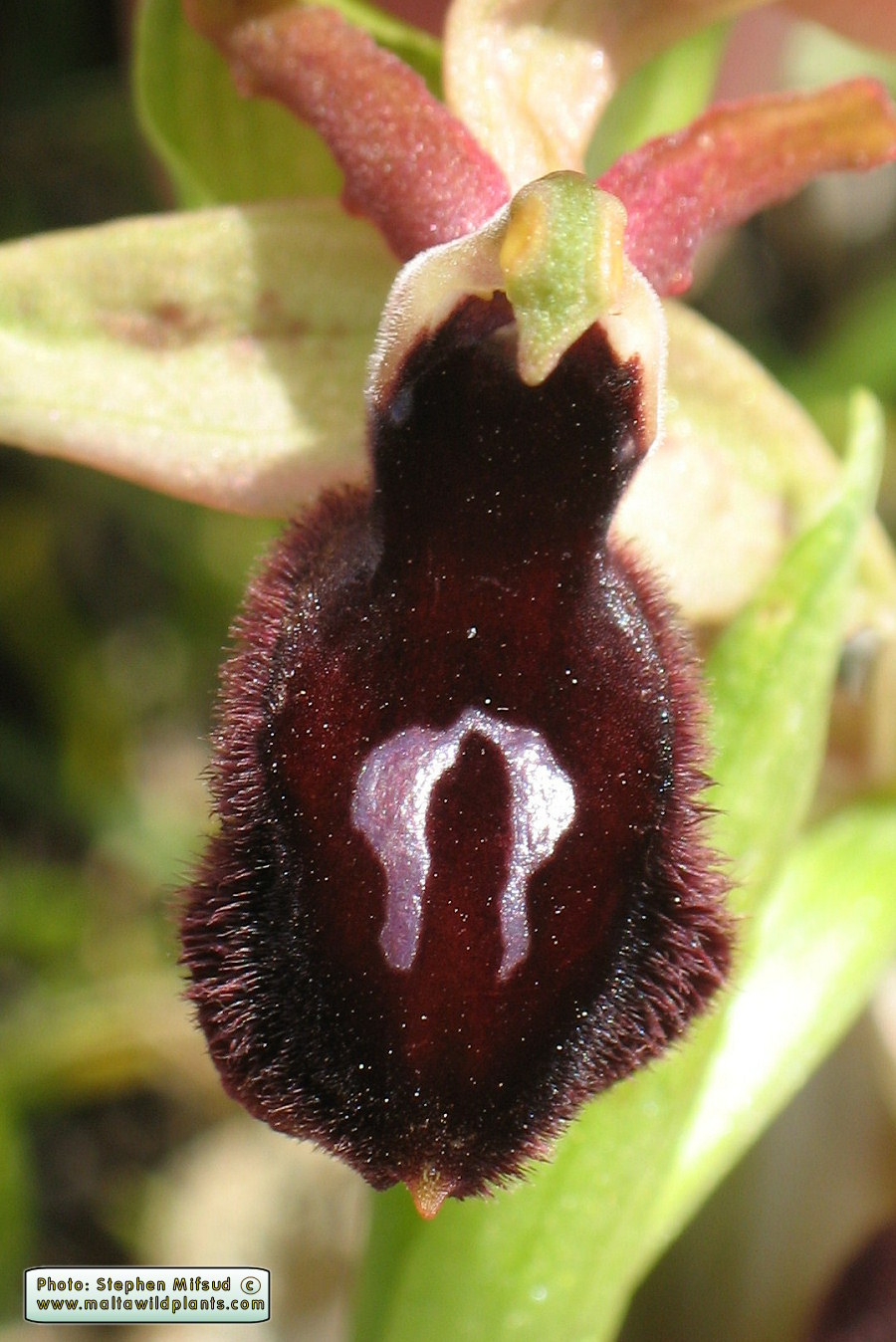
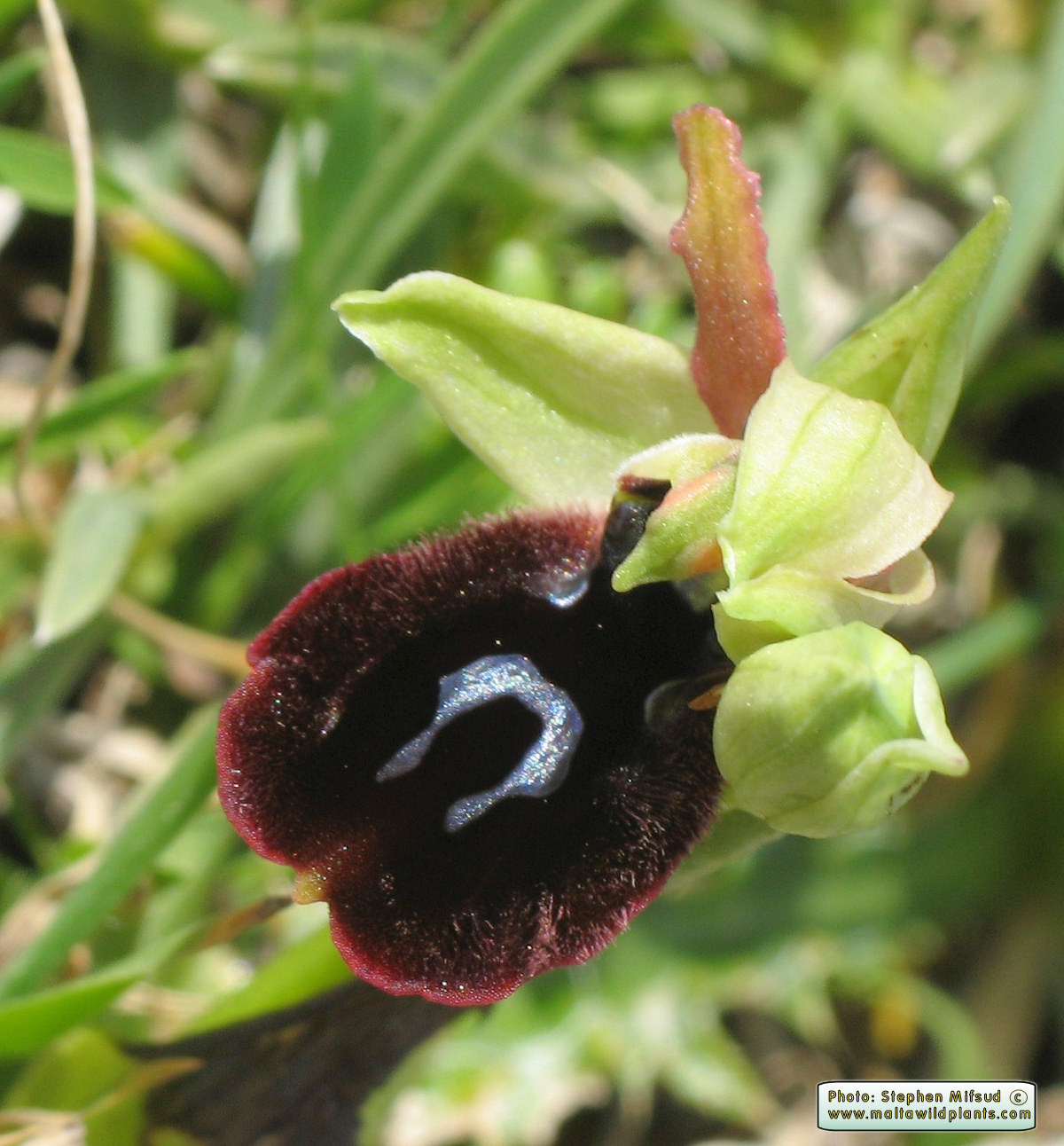
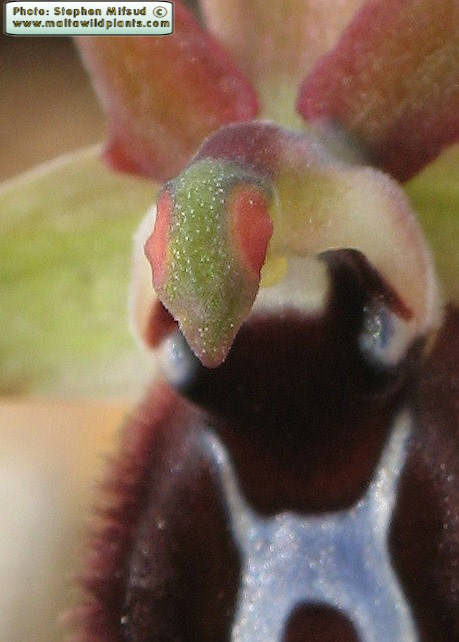
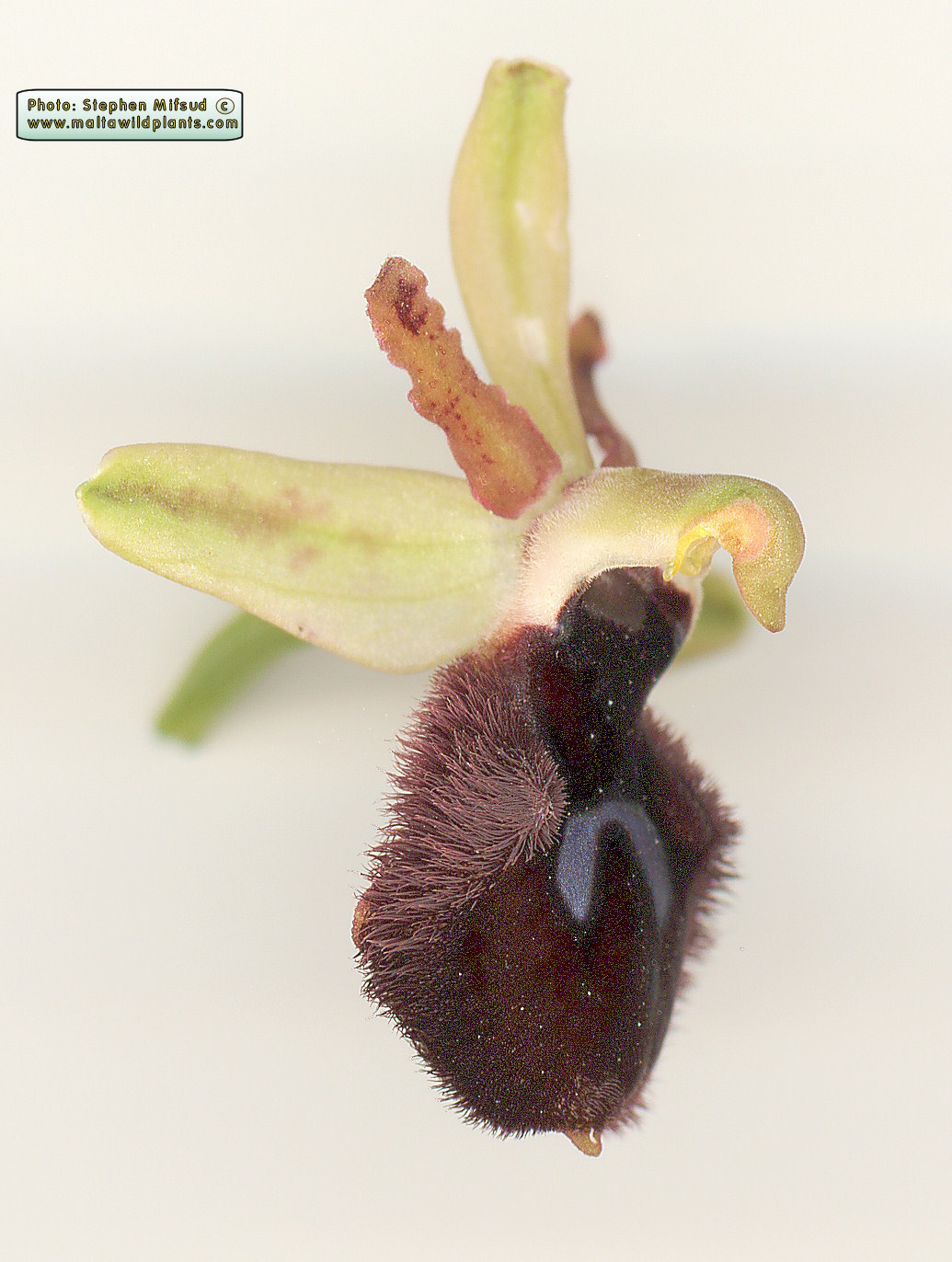
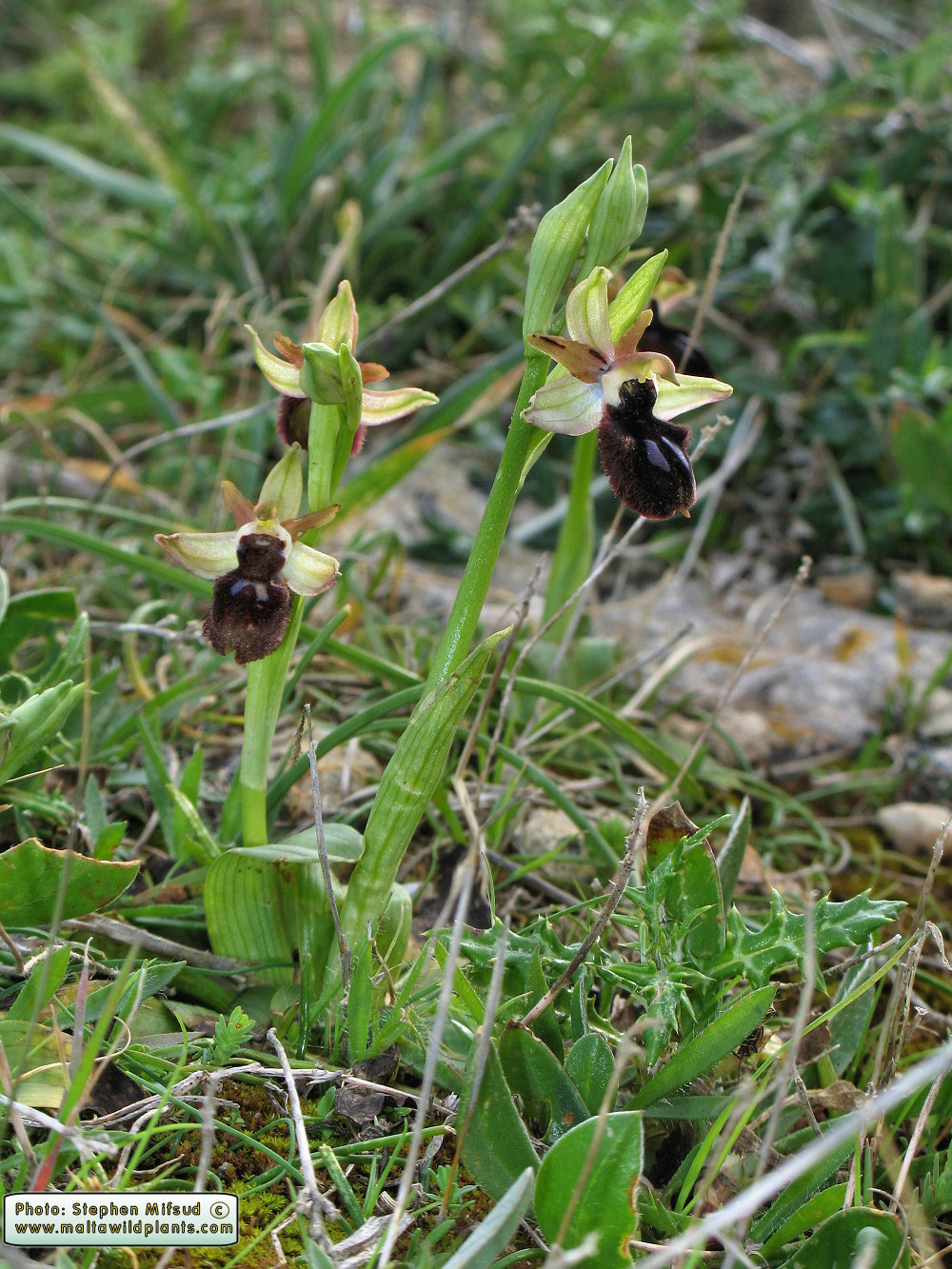
Ophrys melitensis - Image Code: OPHMT-3.
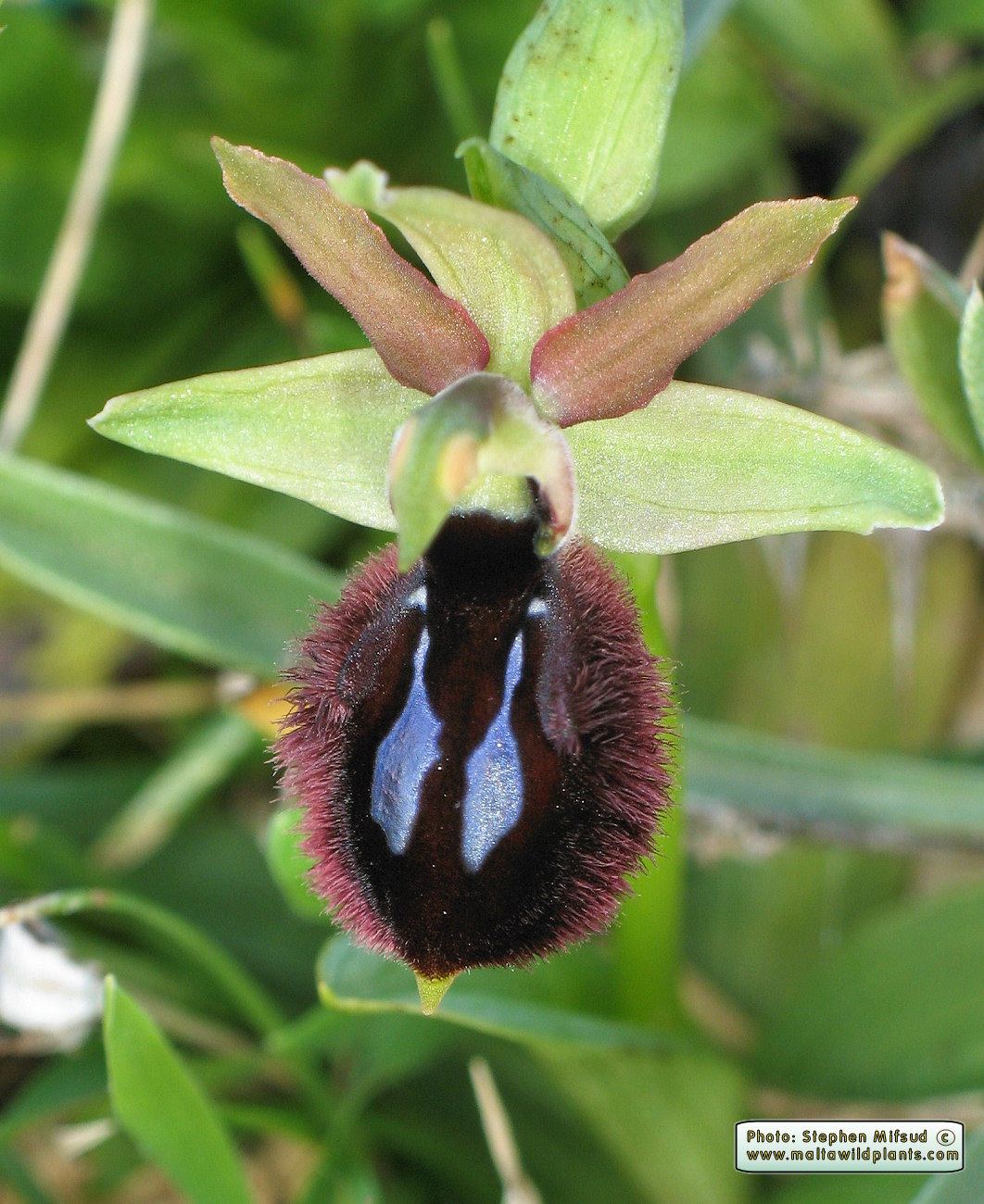
Ophrys melitensis - Image Code: OPHMT-4.
Ophrys melitensis - Image Code: OPHMT-5.
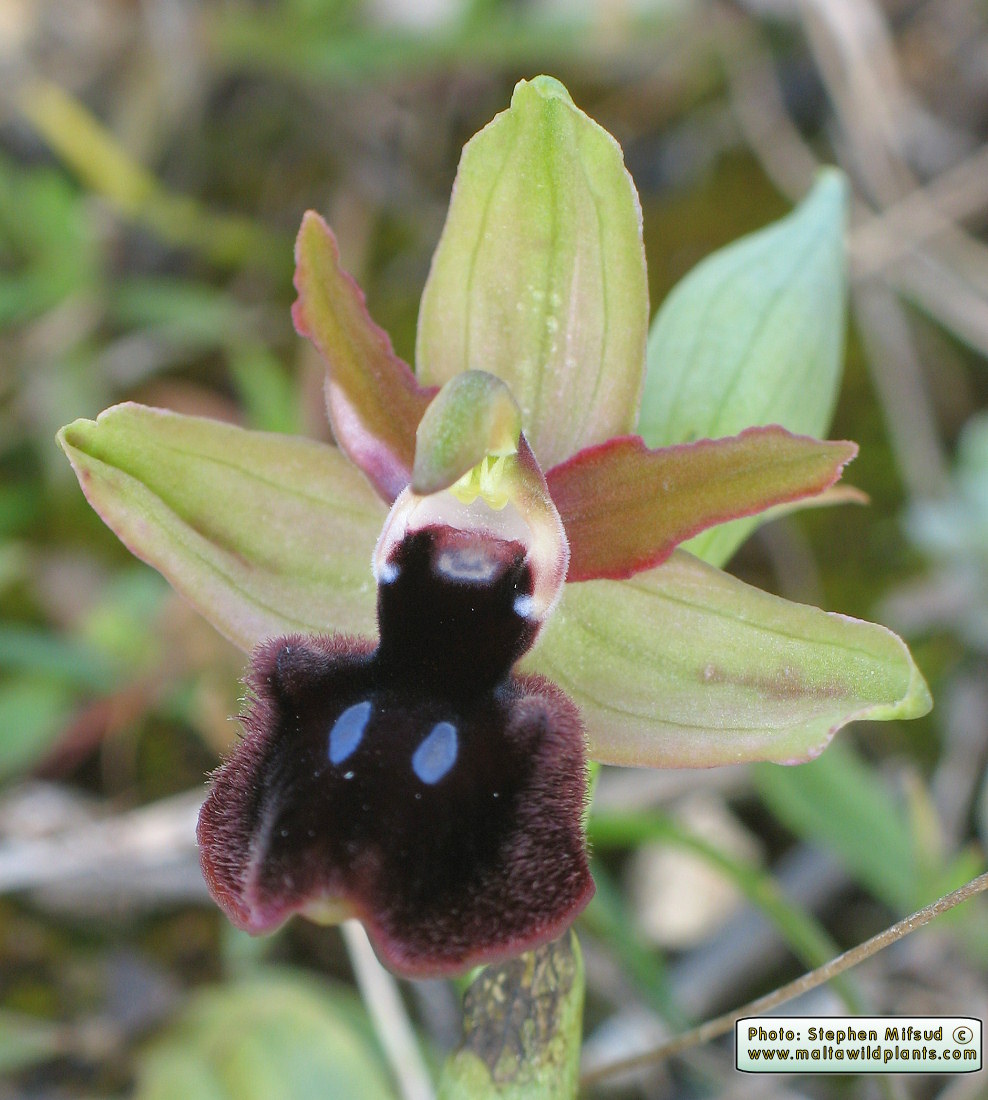
Ophrys melitensis - Image Code: OPHMT-6.
Ophrys melitensis - Image Code: OPHMT-7.
Ophrys melitensis - Image Code: OPHMT-8.
Ophrys melitensis - Image Code: OPHMT-9.
Ophrys melitensis - Image Code: OPHMT-10.
Ophrys melitensis - Image Code: OPHMT-11.
Ophrys melitensis - Image Code: OPHMT-12.
Ophrys melitensis - Image Code: OPHMT-13.
Ophrys melitensis - Image Code: OPHMT-14.
Ophrys melitensis - Image Code: OPHMT-15.
Ophrys melitensis - Image Code: OPHMT-16.
Ophrys melitensis - Image Code: OPHMT-17.
Ophrys melitensis - Image Code: OPHMT-18.
Ophrys melitensis - Image Code: OPHMT-19.
Ophrys melitensis - Image Code: OPHMT-20.
Ophrys melitensis - Image Code: OPHMT-21.
Ophrys melitensis - Image Code: OPHMT-22.
Ophrys melitensis - Image Code: OPHMT-23.
Ophrys melitensis - Image Code: OPHMT-24.
Ophrys melitensis - Image Code: OPHMT-25.
Ophrys melitensis - Image Code: OPHMT-26.
Ophrys melitensis - Image Code: OPHMT-27.
Ophrys melitensis - Image Code: OPHMT-28.
Ophrys melitensis - Image Code: OPHMT-29.
Ophrys melitensis - Image Code: OPHMT-30.
Ophrys melitensis - Image Code: OPHMT-31.
Ophrys melitensis - Image Code: OPHMT-32.
Ophrys melitensis - Image Code: OPHMT-33.
Ophrys melitensis - Image Code: OPHMT-34.
Ophrys melitensis - Image Code: OPHMT-35.
Ophrys melitensis - Image Code: OPHMT-36.
Ophrys melitensis - Image Code: OPHMT-37.
Ophrys melitensis - Image Code: OPHMT-38.
Ophrys melitensis - Image Code: OPHMT-39.
Ophrys melitensis - Image Code: OPHMT-40.
Ophrys melitensis - Image Code: OPHMT-41.
Ophrys melitensis - Image Code: OPHMT-42.
Ophrys melitensis - Image Code: OPHMT-43.
Ophrys melitensis - Image Code: OPHMT-44.
Ophrys melitensis - Image Code: OPHMT-45.
Ophrys melitensis - Image Code: OPHMT-46.
Ophrys melitensis - Image Code: OPHMT-47.
Buy Seeds and Docs
Sales of seeds of wild plants for academic studies, research or personal use. Note that not all species seeds can be exported - depending on Maltese regulations and CITES, and availability depends on season. You are hence kindly requested to first fill and submit a quotation form by which you will get confirmation of the purchase, availability and charges. Currently local orders are not taken.
Buy images found in this large online collection of Maltese flora photographed by the author (Stephen Mifsud). Prices reasonable and rated differently according size and resolution. Buying images for your projects will support this website. When placing an order please take note of the image code specific for every image in the corresponding species webpage (found beneath each individual photo) since this is required when filling the online ordering form. Images are normally sold as a license with the copyright reserved to the author, but sales of copyright of exceptional images can be considered.
Kindly consider to support this website by giving a small donation. This will help to cover some expenses needed to maintain the website and its further development without any adverts. Please login into your PayPal account and use the email: info@maltawildplants.com as email address to send your donation
Use this form to submit more information on this species or report mistakes in this webpage. If information supplied is taken from a book, journal or website, please provide the corresponding reference or website address. Your email address is only for internal communication. Please report only Maltese locations for plants that indicated as rare or very rare (refer to the nomenclature section above). Please do report mistakes, broken links, technical errors, typing / grammar errors, misidentifications or taxonomical updates; this will help to improve the website's accuracy. Thanks you! Fill any of the three sections (A/B/C) below and kindly submit the form. * = required fields.