| Friar's Cowl |
Arisarum vulgare Targ.-Tozz. (Fam: ARACEAE.)
| This plant is brought to you by one of the project's sponsors: |
 |
| More sponsors are needed for this project [ click here ] | |
|
|
| Nomenclature |
Species name: |
Arisarum vulgare Targ.-Tozz. |
Author(s): |
Giovanni Targioni Tozzetti; Italy, 1712-1783
|
Common names: |
Friar's Cowl, Arison |
Maltese name: |
Garni tal-Pipi |
Plant Family: |
|
Name Derivation: |
Arisarum = Name first given by Dioschorides for A. vulgare; (Greek).
vulgare = Common or ordinary, since it is found in abundant numbers. (Latin) |
Synonyms: |
Arisarum australe, Arum arisarum, Arum calyptrale, Balmisa vulgaris, Typhonium cochinchinense. |
Remarks: |
-
|
|
| Morphology |
PLANT STRUCTURE: |
Character | Growth Form | Branching | Surface |
Description | Erect but without a true aerial stem : Erect flower stalk(s) and leaves grow directly from the true underground stem such as rhizomes, tubers, corms or bulbs. | Single, unbranched scape : Plant forms a single, leafless, robust, unbranched flowering stalk (=scape) which is often found growing from underground tubers, rhizomes, bulbs or corms. | Hirsute : Covered with rough, coarse hairs. |
General Picture | | | |
|
LEAVES: |
Character | Arrangement | Attachment | Venation |
Description | Single, terminal leaf : Long leaf stalks each holding a single, terminal leaf and come out from a rhizome, bulb or other underground stem. | Stalked from an underground stem : Growing directly from an underground stem (bulb, rhizome, tuber, etc.) with a stalk. | Interconnecting Parallel Venation : Parallel veins with regular cross connections with each other and somehow show denser venation at the leaf margins. Often run in a symmetrical fashion. |
General Picture | | | |
| |
Character | Leaf Shape | Leaf Margin | Remarks |
Description | Cordiform : Heart-shaped; deeply indented base with rounded lobes and tapering towards a blunt apex of the leaf. | Entire : Smooth margin without indentations, lobes or any projections. | Auriculate : A pair of rounded lobes which can be found clasping the stem. |
General Picture | | | |
|
FLOWERS: |
Character | Colour | Basic Flower Type | No. of Petals | No. of Sepals |
Description | Maroon (or sometimes Green) | Spathe and Spadix : A large modified bract in a form of an enclosing tubular sheath (spathe) with a conspicuous rod or club shaped structure (spadix) protruding out. | None | None |
General Picture | | | | |
| |
Character | Inflorescence | Description | Ovary | Stamens |
Description | Single and Terminal : Single, solitary flower at the apex of the stem or flower branch. | The spathe is tubular and curved to one side and have a broad opening from which a club shaped structure - the spadix or spike - protrudes out. The colour of the upper part of the spathe is purple-brown which gradually turns to a pattern of longitudinal stripes and tiny spots towards its base. The true flowers are deep inside the lower part of the spadix. | Superior : Ovary situated above the flower parts (the calyx, corolla, and androecium). In other words, these are attached below the ovary. | 35-50, Monadelphous : Stamens are united by their filaments into a a single group, often arranged as a tube or column. |
General Picture | | | | |
| |
Character | Scent | Average Flower Size | Pollen Colour | Other Notes |
Description | YES FLower gives an unpleasant smell. | 45 mm x 18mm Length of spathe x Diameter. | Pale Yellow | Remark Note that most of the given botanical data of the flower refers to the general conspicuous spathe. The true flowers are inconspicuous and hiden at the base of the spadix. |
|
SEEDS: |
Character | No. Per Fruit | Shape | Size | Colour |
Description | 2-6 Usually 4 seeds per fruit capsule. | Irregular and swollen Cylindrical base with a swollen body and a tiny pointed apex. Each seed has numerous longitudinal ridges. | 4mm x 3mm Length x Width. | Pale Brown |
General Picture | | | | |
|
FRUIT AND OTHER BOTANICAL DATA: |
Character | Fruit Type | Colour of Fruit | Subterranean Parts | Other Notes |
Description | Berry : A fleshy rounded fruit usually very colourful and with hard seeds. | Dark green (Sometimes flushed or striped in purple). | Rhizome : A prostrate or underground plant stem, forming shoots above and roots below.They serve as a reproductive structure and sometimes have thickened areas that store starch. | - |
General Picture | | | | |
|
|
| Specifications & Description |
Life Cycle: | Perennial. |
Growth Form: | GEOPHYTE (Bulbous/Rhizomous plants) |
Habitat: | Grassy and rocky ground, maquis, weedy garigue, abandoned fields, wasteland, disturbed ground and shaded woody areas. Likes partial shade and moist soil. |
Frequency: | Very Common |
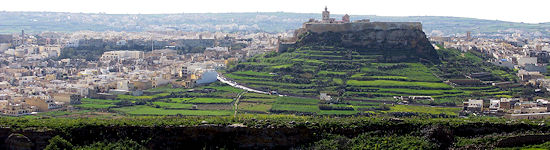
Localities in Malta: | Very Common everywhere. Plenty at Buskett woodland, many valleys (eg Wied il-Ghasel), Chadwick Lakes, and abandoned fields in Gozo. |
Plant Height: | 10-30cm. |
| Nov - Mar |
Protection in Malta: | Not Protected by Law (LN200/2011 or LN311/2006) |
Red List 1989: | Not listed in the Flora section of the National Red Data Book (Lanfranco, 1989) |
Poison: | Yes (Calcium Oxylate crystals). |
This perennial monocot have a peculiar appearance due to its distinctive pulpit-shaped flower, a characteristic of the ARACEAE family that Arisarum vulgare belongs to.
The plant grows from an underground tuberous rhizome - a creeping underground stem which give rise to several leaves and flowers in Autumn and Winter. Since the underground stem lives all year round, the plant is described as perennial, but actually, during the hottest period of the year (late Spring and Summer), there are no aerial leaves or flowers left.
Every leaf and flower are supported by a single, unbranched, glabrous stalk that grows directly from the underground tuber. The flower stalks, have purple-brown spots or small longitudinal streaks, especially at the lower part. These turn gradually to green up the stalk. Leaf stalks are usually green spotted. The length of the stalk varies, depending light conditions, soil depth or/and competitive vegetation, but usually grow between 8cm up to 25cm high.
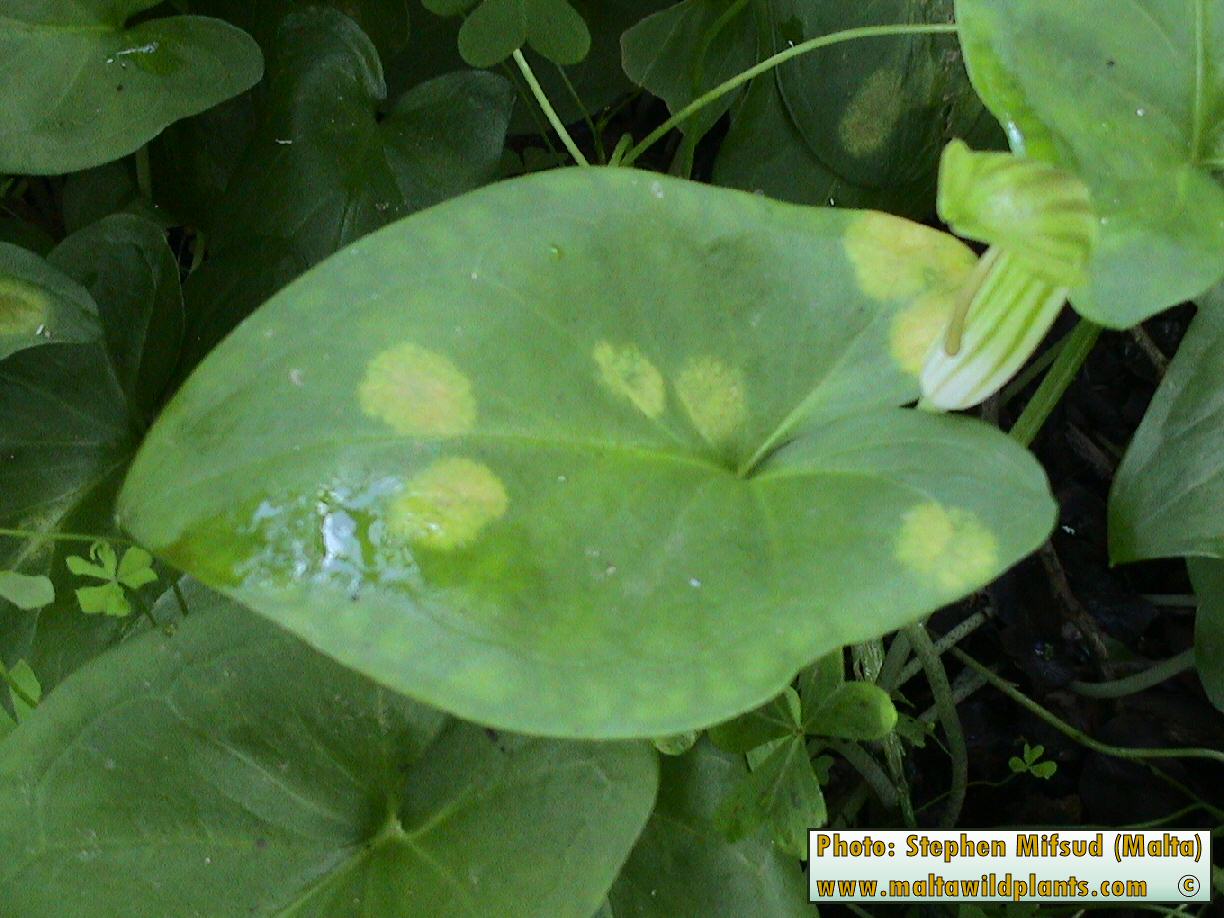
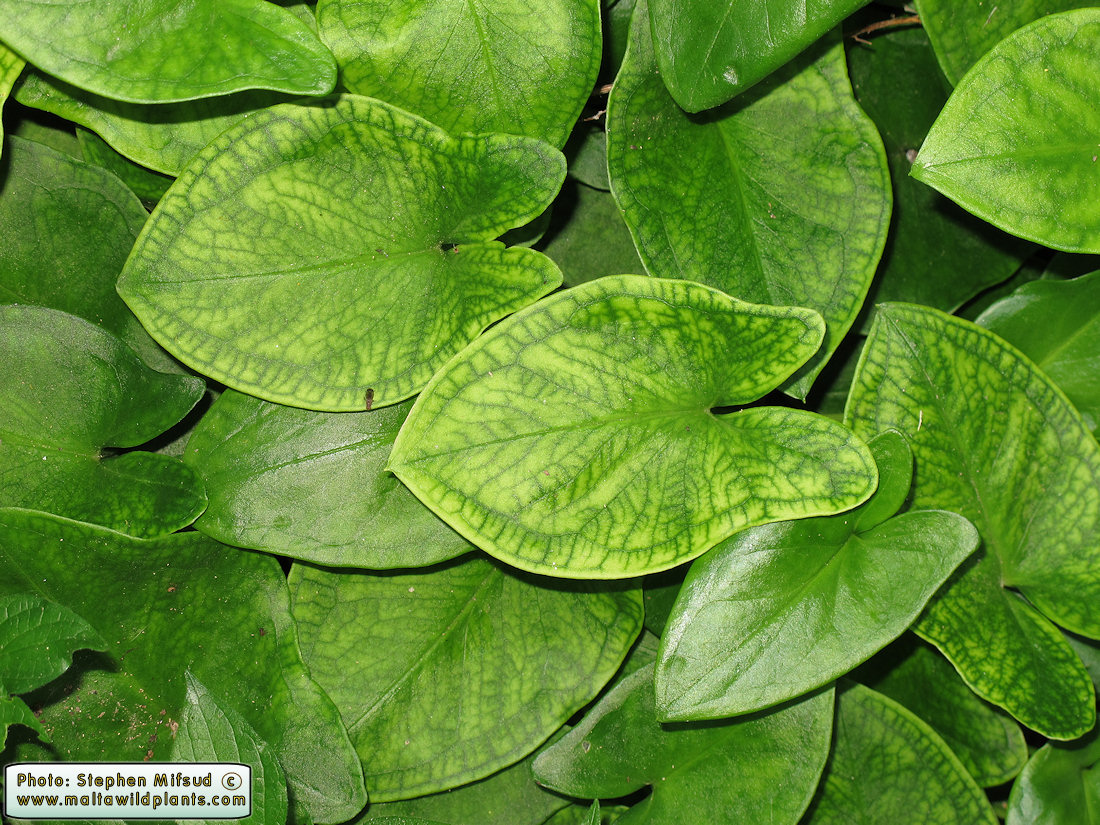
Every stalk support a single, glabrous, dark-green leaf about 8cm to 18cm long and 6cm-8cm wide. Sizes vary considerably according to environmental conditions. The leaves have a general oval shape but their base ends with two conspicuous auricles (lobes) which can be found either rounded (forming a heart-shaped leaf base) or sometimes pointed (forming an arrow-shaped leaf base).
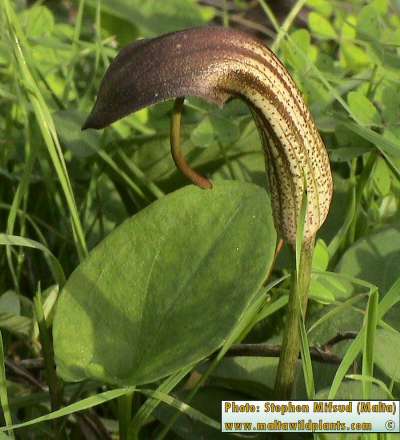
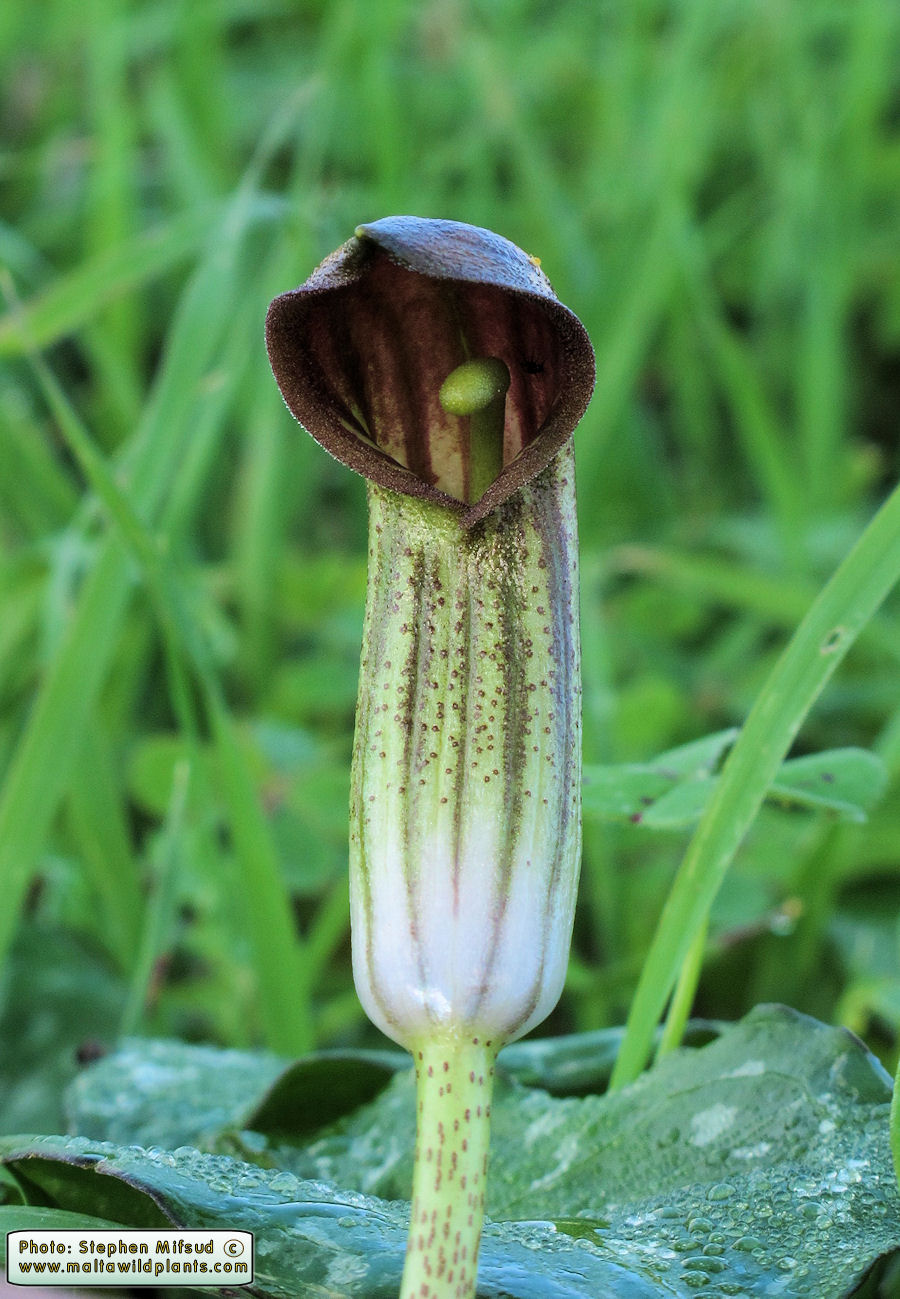
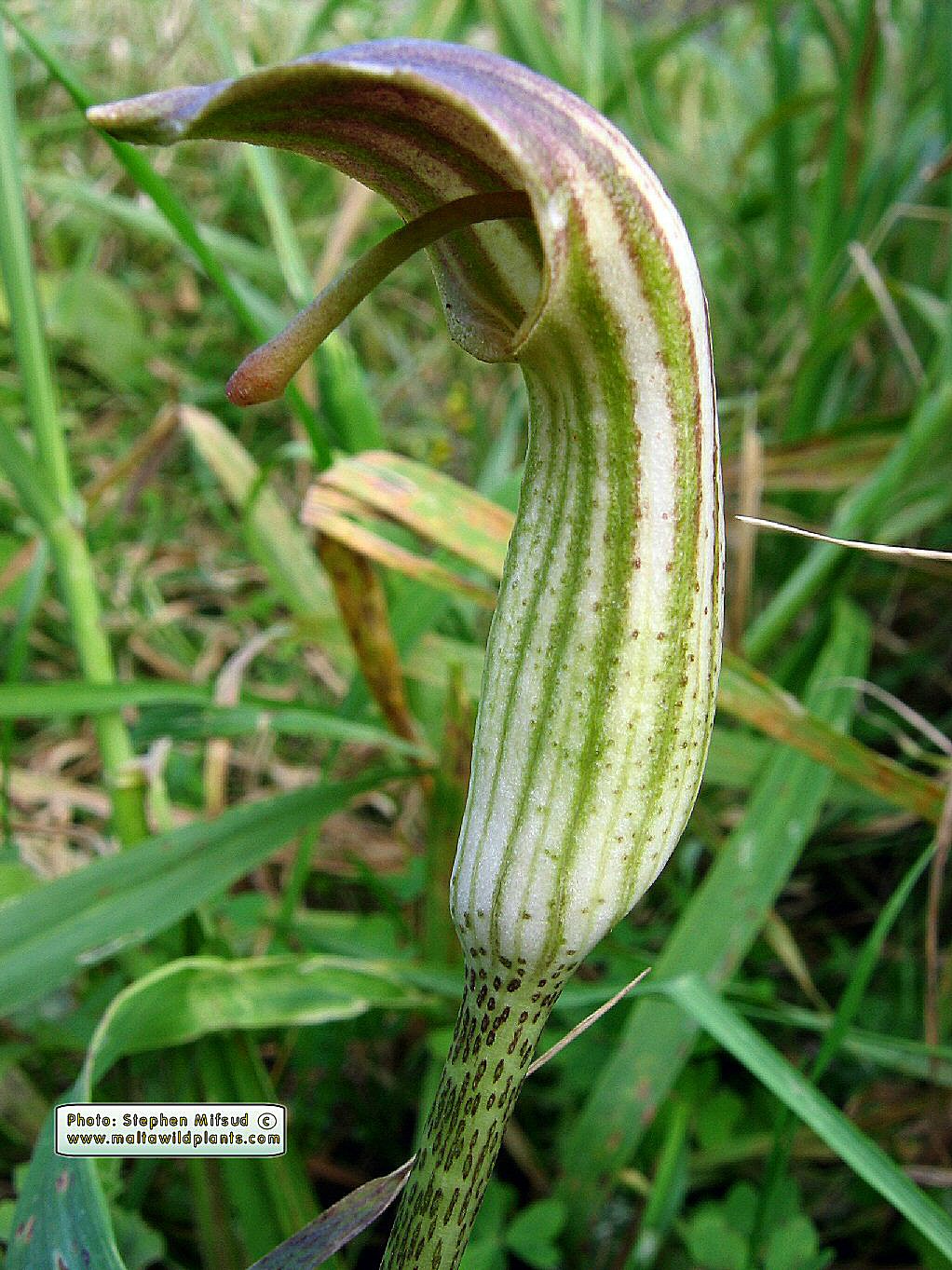
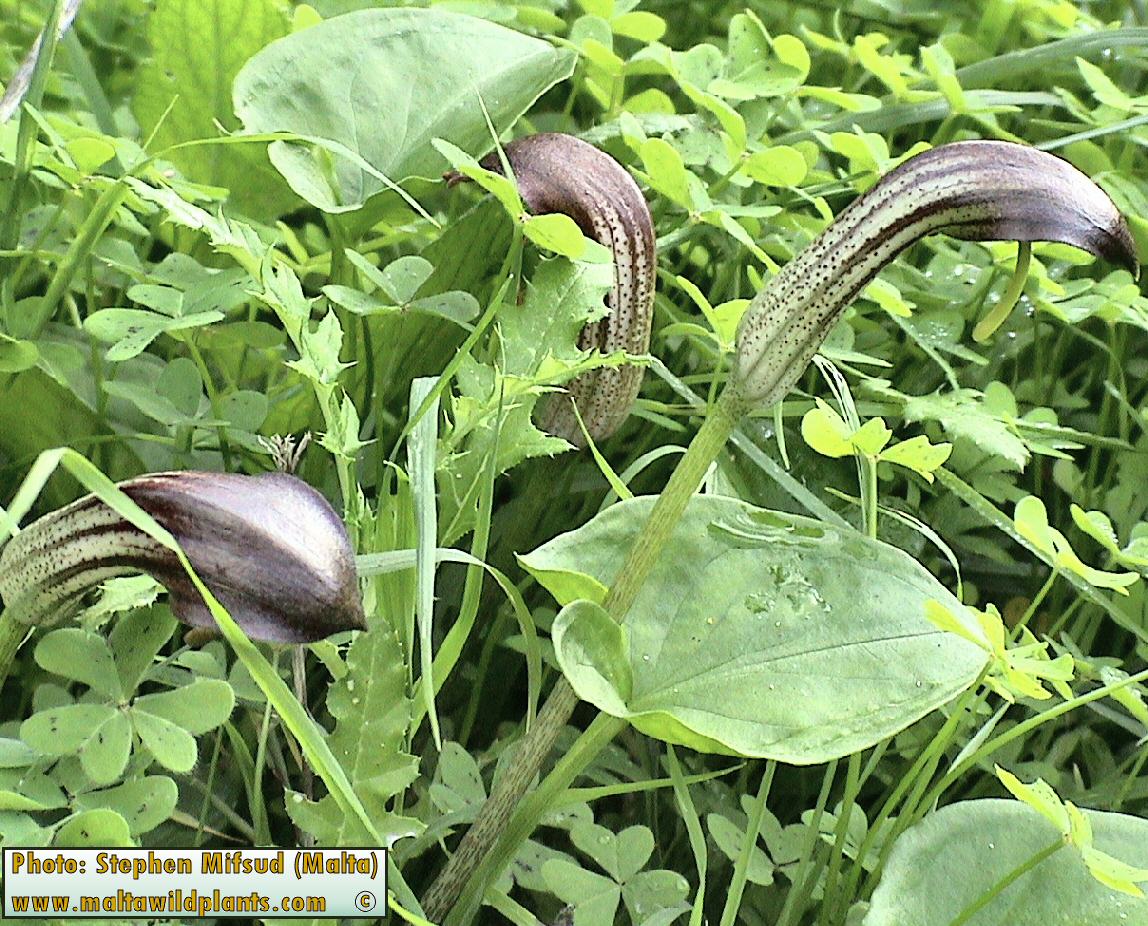
The complex flower consists of a tubular shaped structure - the spathe - with a broad opening from which a club shaped structure, the spadix or spike protrudes out. The spathe is botanically defined as a modified bract enclosing the flowering spike or spadix inside. The colour of the upper part of the spathe is completely purple-brown which gradually turns to an interesting pattern with longitudinal stripes, speckles and spots towards its base. Some flowers seems to lack this pigmentation forming green patterns instead.
The spadix outer part is generally brown, light brown or sometimes green, but its colour fades away down the interior of the spathe. The lower part inside bears the true flowers, with the male flowers separated from the female flowers benneath. The male flowers are small (1-2mm) C-shaped, pale-yellow sacs which produce large amounts of pollen. They are subtended out from the spadix by a short sturdy supporting structure. Numerous male flowers are found all around the spadix perimiter. On the other hand, there are only about 10 female flowers embedded at the base of the spike below the male flowers, and lying at one side of the spadix perimeter. They are roundish small structures (2-3mm), usually with dark-purple stripes and a short snout-like style and stigma at the tip.
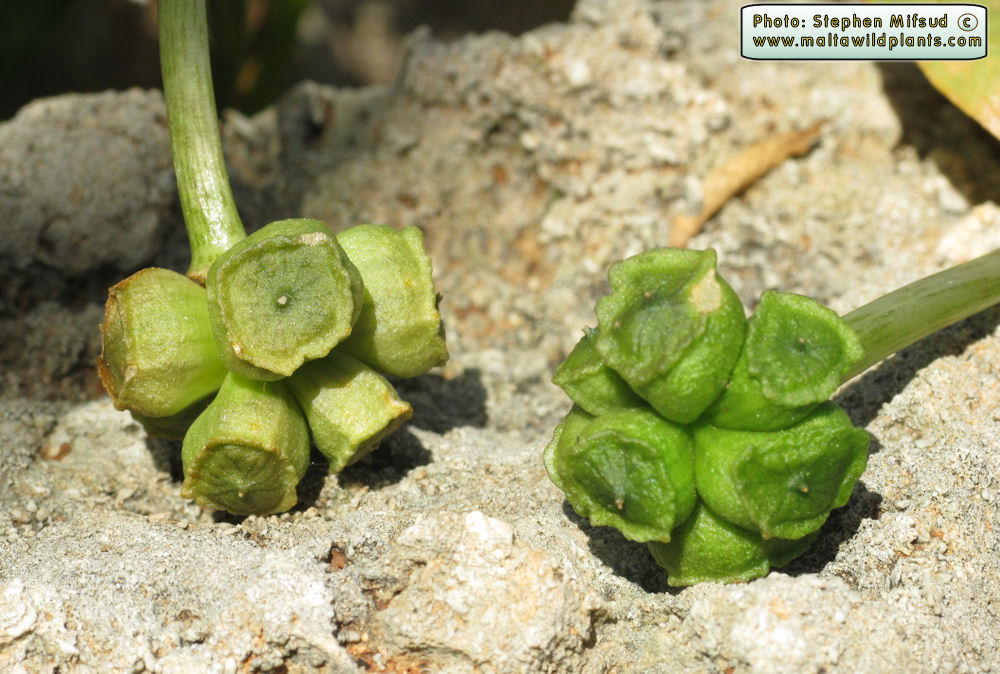
The fruit of these plants are green, stout, cylindrical, barrel-shaped berries. About 4-12 fruit per stalk are produced. The stalk of berries tend to fall horizontally to the ground and so becomes hidden by the foliage of other plants. Each berry holds between 2-6 pale brown seeds (usually 4) which on a closer examination, they have numerous parallel longitudinal ridges. No seed dispersal mechanisim is known.
|
|
| Information and Details |
Origin, Distribution and Ecology
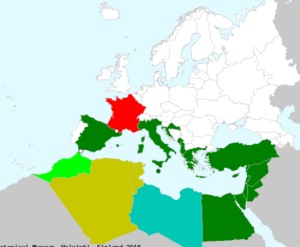
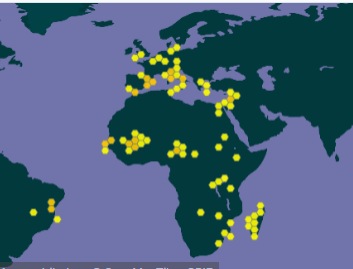
The plant have originated and is native to the Mediterranean region [WWW-27] The distibution of the species is reported in the following countries: [WWW-191] Albania, Algeria, Bosnia-Hercegovina, Croatia, Cyprus, Egypt, France (incl. Corsica), Greece (incl. Crete), Israel, Italy (incl. Sardinia, Sicily), Lebanon, Libya, Macedonia, Malta, Morocco, Portugal (incl. Azores), Serbia, Slovenia, Spain (incl. Balearics, Canary Is.), Syria, Tunisia, Turkey.
The species is a geophyte which grows in warm temperate scrub and woodland; on stony ground in maquis, between rocks or under trees and shrubs. [WWW-191] In Malta it can extend in ruderal areas, disturbed places and abandoned fields and is a common wild plant. [SM]
Cultivation details
Prefers a woodland soil or a sandy loam with leaf mould [1] . Grows well in shady rather moist places [1] .
A Mediterranean plant, it commences growth in the autumn and, since the leaves are not very hardy, the plant is best grown under protection [90] . It should succeed outdoors at least in the milder parts of the country, if grown in a sheltered woodland. The plant is hardy to about -10°C for short periods but should be given a good mulch in the winter [200] . The plant becomes dormant in spring/summer [200] .
Edible Uses
Root - cooked. The acrid juice should first be removed by thorough and repeated washing leaving behind a nutritious and innoxious residue [2, 105, 177] . Thorough drying or cooking will also destroy any harmful elements of this root [KF] . The root is frequently used as an emergency food in times of scarcity, it is about the size of a walnut [2] . This root is consumed in North Africa during seasons of food scarcity
One report suggests that the leaves might be edible [177] . If they are they must be well cooked first [KF] .
The rhizomes of many species of the Araceae, contain a large quantity of starch and are used as food after suitable preparation. [WWW-27]
Medicinal Uses
Various documents state that this plant has been used as a medicinal plant long time ago, but I did not find any details for what is was used for. Also, the plant is poisonous and so it has limited medicinal uses. [SM]
Other Uses
A good ground-cover plant for a shady place [1]
Poison Effects
Many plants in the Araceae family contain a poisonous watery juice which may be rendered non-toxic by heat. [WWW-27]
Most species, including the Arisarum vulgare [KF] , contain bundles of minute needle-like crystals of calcium oxalate (known as raphides) which are responsible at least in part for the irritant properties of these plants when they are damaged and brought into contact with the skin or mucous membranes. The presence of other irritant compounds is also suspected. [WWW-27] . The plant's calcium oxalate crystals cause an extremely unpleasant sensation similar to needles being stuck into the mouth and tongue if they are eaten but they are easily neutralised by thoroughly drying or cooking the plant or by steeping it in water [KF] , [65] .
The irritant effects of the Arisarum vulgare have been known for centuries. Ramazzini's account of genital dermatitis in an apothecary appears to have been plagiarised from Dioscorides [WWW-27]
An online abstract from a study performed by Rakba N et al reveals how certain alkaloid from the plants' tubers are toxic to human liver cells. [297] . The abstract reads:
" Toxicity of B-Gugaine, a pyrrolidine alkaloid extracted from the tubers of Arisarum vulgare, was studied in three different liver cell culture models: (1) the rat hepatocyte primary culture; (2) a liver epithelial cell line; and (3) the human hepatoblastoma cell line HepG2.
Cytotoxicity was evaluated by LDH release, MTT reduction and MDA production. DNA fragmentation was analysed by flow cytometry or DNA gel-electrophoresis. In hepatocyte and epithelial cell cultures, drug toxicity appeared at 30 microM and was evaluated by an increase in LDH release, a decrease in MTT reduction and a higher level of MDA production. b-Gugaine concentrations lower than 30 microM did not induce changes in these parameters. In HepG2 cells, b-Gugaine treatment also induced LDH release at concentrations of 40 and 50 microM. DNA fragmentation, analysed in the HepG2 cell line by flow cytometry, was observed in cultures exposed to 50 microM b-Gugaine. However, using DNA gel-electrophoresis, we demonstrated that lower b-Gugaine concentrations (10, 20 and 30 microM) also induced DNA damage. Our results show that: (1)b-Gugainee induces an important hepatotoxicity; (2)hematologic toxicity is not mediated by a metabolic derivative; and hematologic b-Gugaine induces a significant DNA damage. Therefore, our data suggest that the a hematologic b-Gugaine contained in Arisarum vulgare may be involved in the toxicologic symptoms observed after consumption of this plant tubers by humans and animals." [297]
Another abstract, this time from M. Lamkadem et al [298] proves the
cytotoxicity and the electrophysiological effects against MRC-5 fibroblasts of 2 alkaloids extracted from the plant. Their abstract says:
"
The cytotoxicity and the electrophysiological effects against MRC-5 fibroblasts of 2-alkylpyrrolidine, (-)-R-b-gugaine [1] , a natural alkaloid, extracted from Arisarum vulgare Targ., (Araceae) were studied. This compound showed a cytotoxic potential against MRC-5 fibroblasts at 10 µg/ml. The electrophysiological study of this molecule on MRC-5 cells was carried out using the technique of patch-clamp and showed that (-)-R-b-gugaine [1] has a sub-maximum effect on the outward potassium (current) at the concentration of 1 µM (0.281 µg/ml). In this study we show that R-b-gugaine [1] activates the outwards potassium (current) activated by intracellular calcium. " [298]
Chemical composition of Plant
Inorganic composition in parts per million:
N = 9,700. P = 1390. Na = 1,380.
K = 12,300. Ca = 3.380. Mg = 1,750 .
Zn = Ø. Cu = 5.2. Fe = 79.6.
Mn = 7.1. B = 7.9. Al = 19.8.
Si = 179.0. Ti = 1.7. Sr = 179.0.
Ba = 6.1. Sn = 4.7. Pb = 16.8. [WWW-33]
Other species of Arisarum
Arisarum proboscideum L. differs from Arisarum vulgare in having its mouth enclosed in a long tapering end (like a tail of a mouse). Distribution: SW. Spain, C. & S. Italy. [WWW-191]
Arisarum simorrhinum Durand is closely related to A. vulgare but this forms flowers below the level of leaves, have stouter spathes, and the spadix terminates in a swollen - club-shaped structure. Distribution: Canary Islands, Portugal, Spain, Algeria, Morocco. [WWW-191]
Pollination
Several species of the Araceae family have a special pollination mechanism. The flower emits a particular perfume or scent to lure the pollinator insect. This includes stinking scents to attract flies. Several species of this family, for example the Cryptocoryne spp. have a valve at the neck of the spathe tube which traps inside the visiting insect at the base, where the flower sex organs are located. Pollination is hence carried out during the insect struggle to escape. Usually it dies in the flower as escape is impossible.
However, in the case of Arisarum vulgare, there is no trapping valve inside the spathe, and hence pollination seems to be more 'firendly' and any unspecific insect visiting the flower (for example for shelter or moisture) can pollinate freely the flowers. Moreover, this species does not have any strong or particular scent. It is never visited by bees and wasps, since it lacks nectar or any kind of reward.
Personal Observations
Green flowers and maroon flowers
The species produces flowers in two colours, maroon (the most common) and completely green. Intermediates with pale brown, or seldom dirty-orange colours can be met. While on one hand, the green variety can be considerd as an albino per se (lack of the brown pigmentation resulting in green) it seems that the tendancy is that the green flowering variety is frequently found in plants that are completely in the shade, although no scientific proof has been found on this observation.
|
|
|
|
|
| Submit further info on this species |
Use the form below to submit more information about this plant or a related species. If the data is taken from a book, journal, website, etc, please provide the corresponding reference / website address as indicated in the form. If it is your own observation, then your name will be cited.
Your Email address will never be displayed online, it is just for internal communication.
For plant species that are marked as rare, you can also report other locations in Malta where you have seen this species.
Finally you can report any mistakes or errors found on the plant profile for necessary corrections. This will help to improve the website's accuracy.
To have more details about each particular field, just move your mouse on it and wait for the help message to pop up
* = required fields.
|
|
|